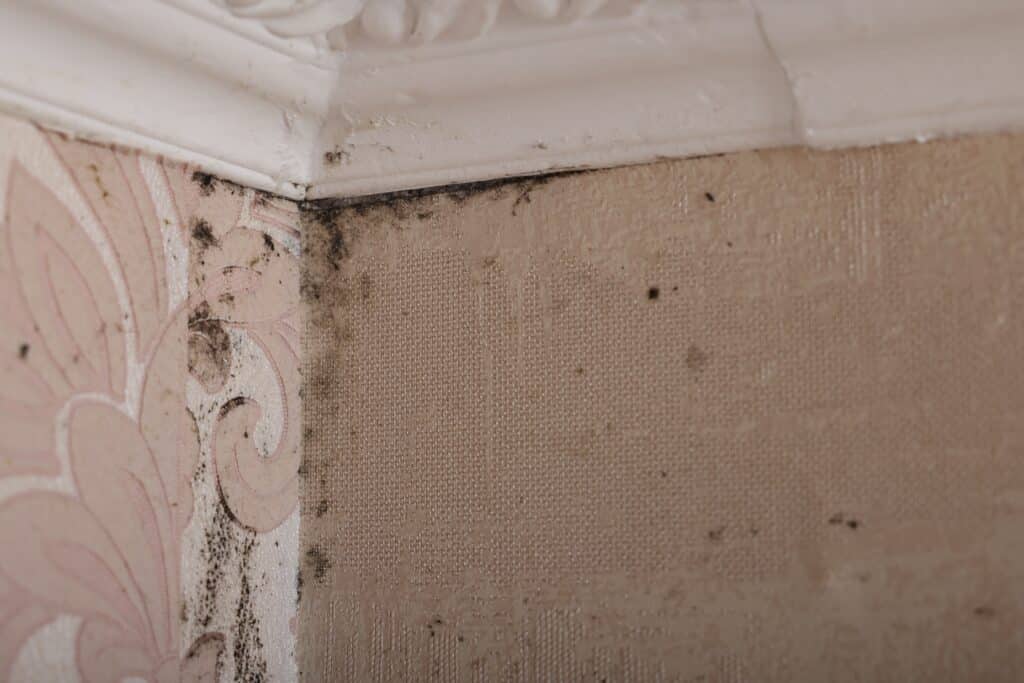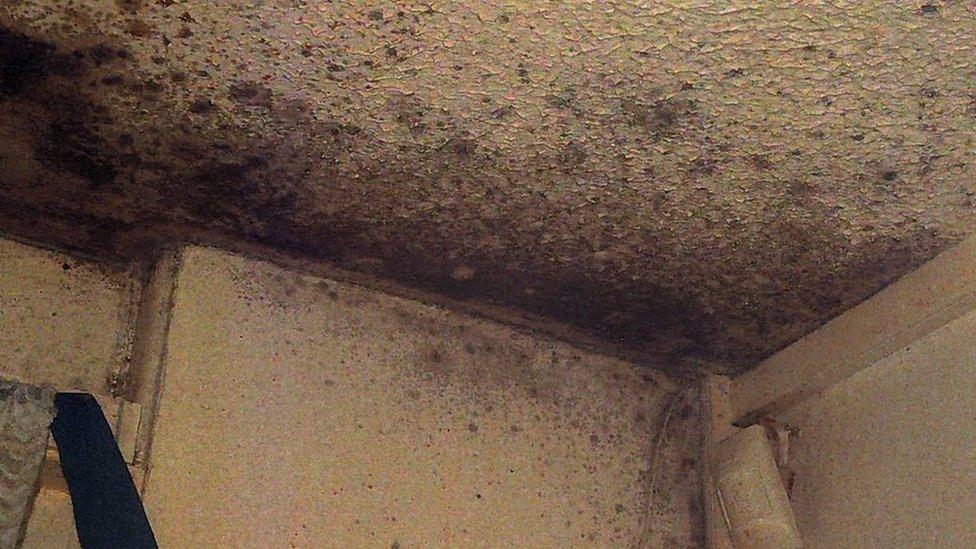
Black mould is something many homeowners across Blackpool and the Fylde Coast encounter at some point. It often appears as dark patches on walls, ceilings, or around windows, especially in bedrooms and bathrooms.
But beyond how it looks, one of the most common questions people ask is:
Is black mould actually dangerous to your health?
The short answer is: it can be, particularly if left untreated.
What Is Black Mould?
Black mould is a type of fungus that thrives in damp, poorly ventilated environments. It spreads by releasing tiny spores into the air, which are invisible to the naked eye but can be inhaled.
It commonly develops due to:
- Condensation on cold surfaces
- Poor ventilation
- Excess moisture in the air
- Damp issues within the property
In many homes, it is linked more to condensation problems than structural damp, but that does not make it harmless. If mould is appearing regularly, it is worth understanding why black mould keeps coming back and how to stop it permanently.
Is Black Mould Dangerous to Your Health?
Yes, exposure to black mould can affect your health, especially over time.
While not everyone will experience severe symptoms, mould spores can irritate the airways and trigger a range of issues.
Common health effects include:
- Persistent coughing or sneezing
- Wheezing or shortness of breath
- Eye, nose, and throat irritation
- Skin rashes
- Headaches
For some people, symptoms can worsen the longer they are exposed. You can also read more about related risks in our article on whether damp walls are harmful to your health.
Who Is Most at Risk?
Certain groups are more vulnerable to the effects of mould exposure:
- Children and babies
- Elderly individuals
- People with asthma or respiratory conditions
- Those with weakened immune systems
In these cases, black mould can aggravate existing conditions and lead to more serious health problems if not addressed.
Why Black Mould Should Never Be Ignored
Even small patches of mould can quickly spread if the underlying moisture problem is not fixed.
Ignoring black mould can lead to:
- Worsening air quality inside your home
- Increased health risks over time
- Damage to walls, ceilings, and furnishings
- More expensive repairs later
If mould keeps coming back, it is a sign that the root cause has not been resolved.
What Causes Black Mould in Homes?
Understanding the cause is key to solving the problem properly.
The most common causes include:
- Daily activities like cooking, showering, and drying clothes indoors
- Poor airflow and lack of ventilation
- Cold surfaces where moisture condenses
- Blocked vents or inadequate extraction systems
This is why mould is often found in:
- Bedrooms
- Bathrooms
- Kitchens
- Around windows and external walls
If you have noticed it in sleeping areas, you may also find our guide on why black mould appears in bedrooms and how to stop it helpful.
For broader advice, read our guide to condensation in your home and our article on common damp problems in Blackpool homes.
Can You Remove Black Mould Yourself?
You can clean small areas of mould using appropriate cleaning products, but this is only a temporary solution.
Important:
- Cleaning removes the visible mould
- It does not fix the underlying moisture issue
Without addressing the cause, the mould will almost always return.
If you need professional help, take a look at our mould removal service in Blackpool.
How to Get Rid of Black Mould Permanently
To stop black mould for good, you need to tackle the root of the problem:
Improve ventilation
- Use extractor fans
- Open windows regularly
- Allow air to circulate
Reduce condensation
- Avoid drying clothes indoors where possible
- Keep heating consistent
- Use dehumidifiers if needed
Address damp issues
If mould persists, there may be an underlying damp problem that requires professional assessment.
When to Call a Damp Specialist
If you notice any of the following, it is time to seek expert advice:
- Mould keeps returning after cleaning
- Large areas are affected
- There is a strong musty smell
- You are unsure whether it is condensation or damp
A professional survey can identify the exact cause and recommend the right solution. You can arrange a damp survey in Blackpool to get clear answers.
Final Thoughts
So, is black mould dangerous?
Yes, especially if ignored.
While it may start as a cosmetic issue, it can impact both your health and your home over time. The key is to act early, understand the cause, and take the right steps to prevent it from coming back.
If you are dealing with persistent mould in your property, getting expert advice can save you time, money, and ongoing frustration.
Frequently Asked Questions
Is black mould always toxic?
Not all black mould is highly toxic, but it can still cause health issues, especially with prolonged exposure.
Can black mould make you seriously ill?
In vulnerable individuals, it can worsen respiratory conditions and lead to more serious health complications.
Does black mould go away on its own?
No. Without addressing the moisture source, mould will usually continue to return.
How quickly does black mould spread?
Mould can begin to grow within 24 to 48 hours in the right conditions and spread quickly if untreated.
Worried About Black Mould in Your Home?
We provide expert advice and surveys across Blackpool and the Fylde Coast to identify the cause of mould and recommend the right solution.
Contact Fylde Damp Proofing today to book a free damp survey.