What Is Rising Damp on Walls?
Rising damp occurs when moisture from the ground travels up through walls by capillary action. This typically affects older properties where the damp proof course (DPC) has failed, been bridged, or was never installed.
It usually appears on ground floor walls and can cause visible damage if left untreated.
🚨 Signs of Rising Damp on Walls
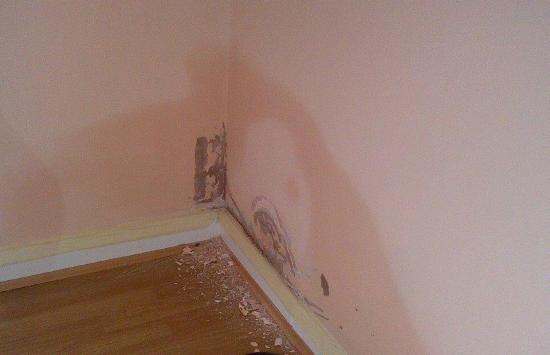
Look out for these common signs:
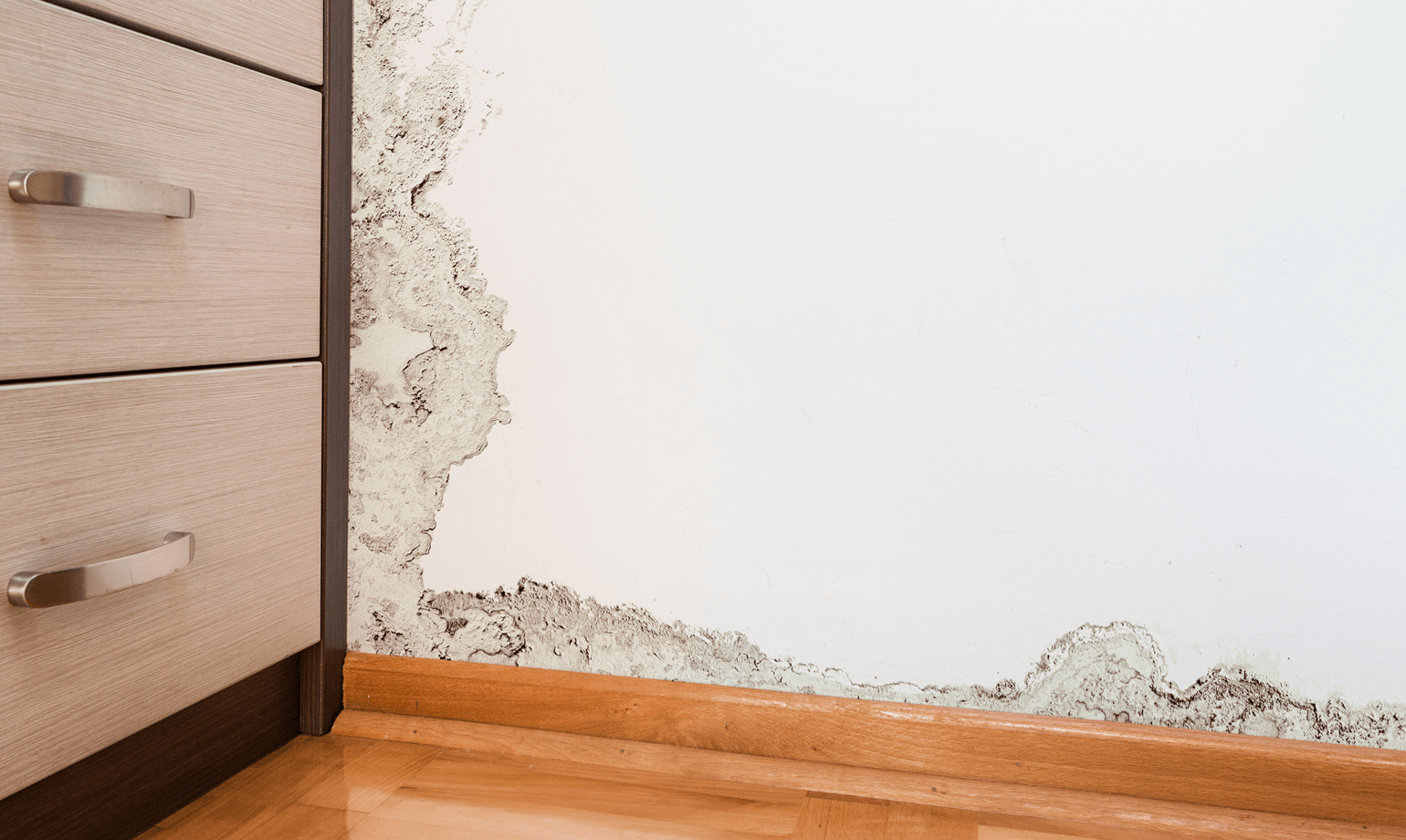
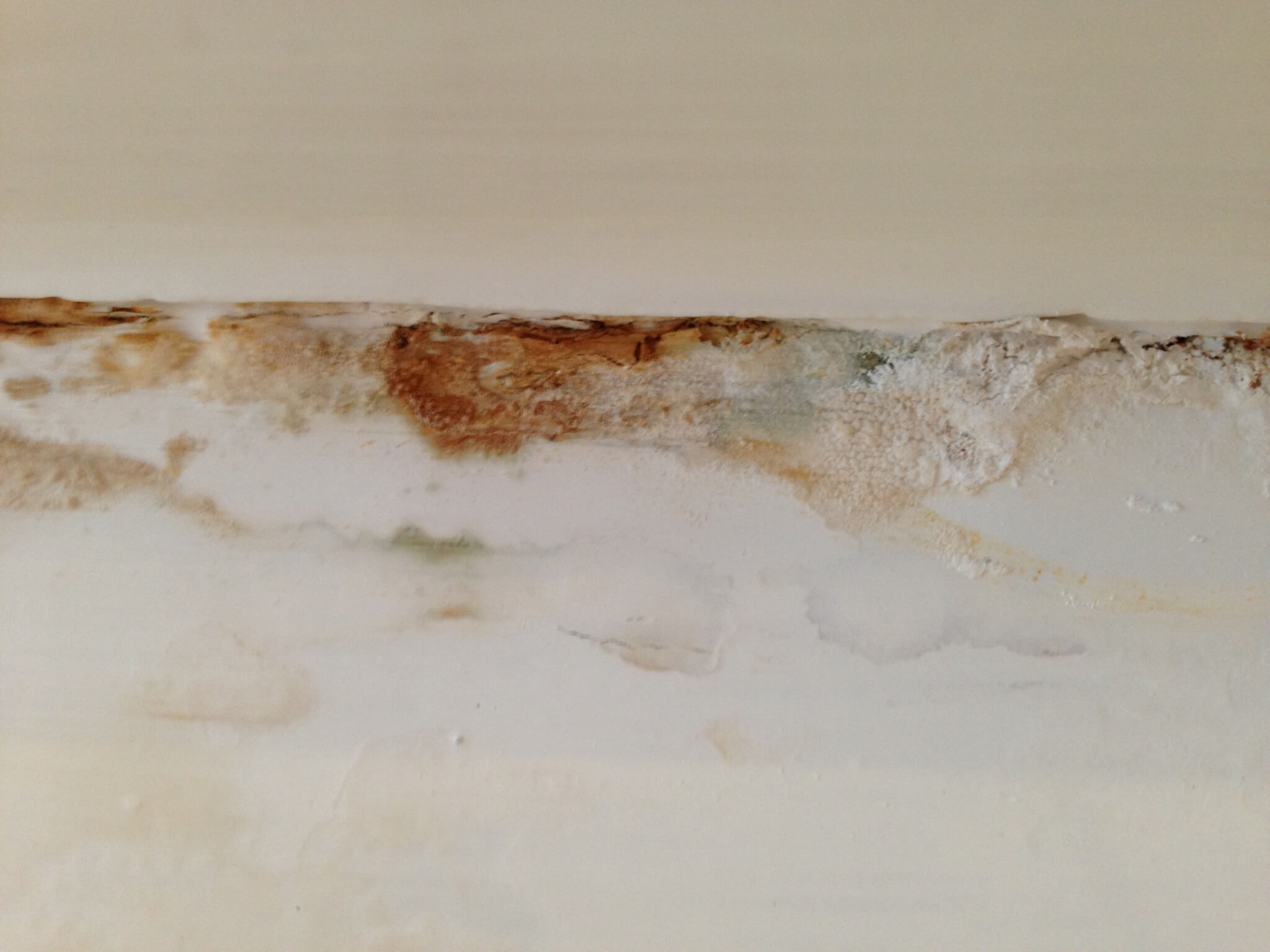
- Tide marks or staining on internal walls (usually up to 1 metre high)
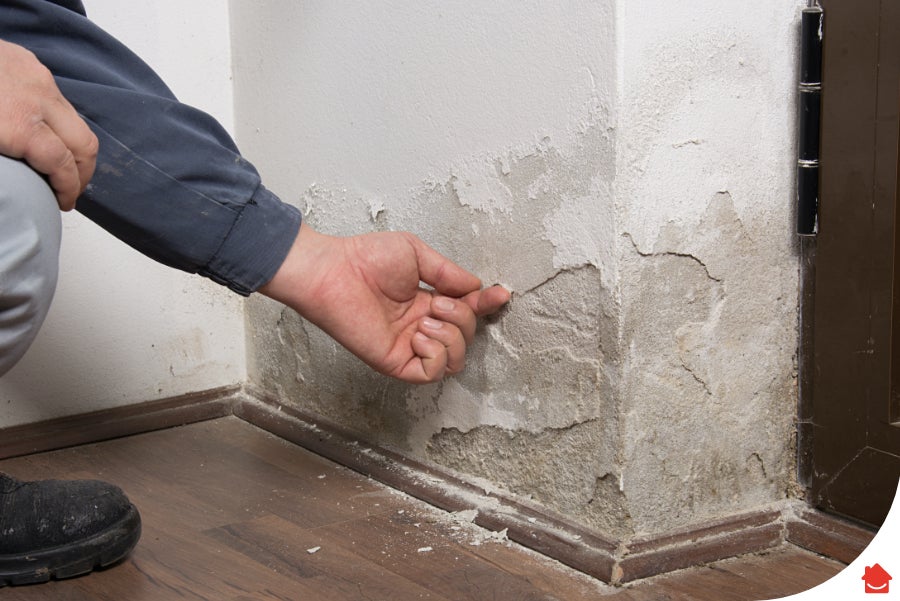
- Peeling paint or bubbling plaster
- White powdery deposits (salts) on the wall surface
- Damp or musty smells
- Rotting or crumbling skirting boards
👉 These symptoms often get mistaken for condensation, but rising damp has very specific patterns.
What Causes Rising Damp?
Rising damp is always linked to moisture entering from the ground. Common causes include:
- Failed or damaged damp proof course (DPC)
- Bridged DPC due to raised ground levels or internal plaster
- Poor drainage around the property
- Older buildings with no original DPC installed
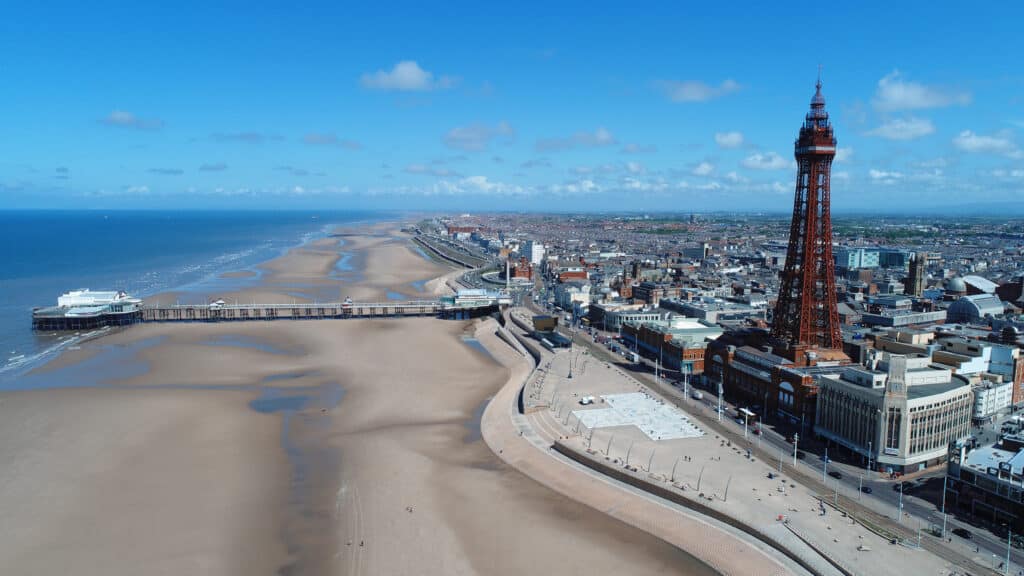
In coastal areas like Blackpool, higher moisture levels in the ground can make the issue worse.
Can You Fix Rising Damp Yourself?
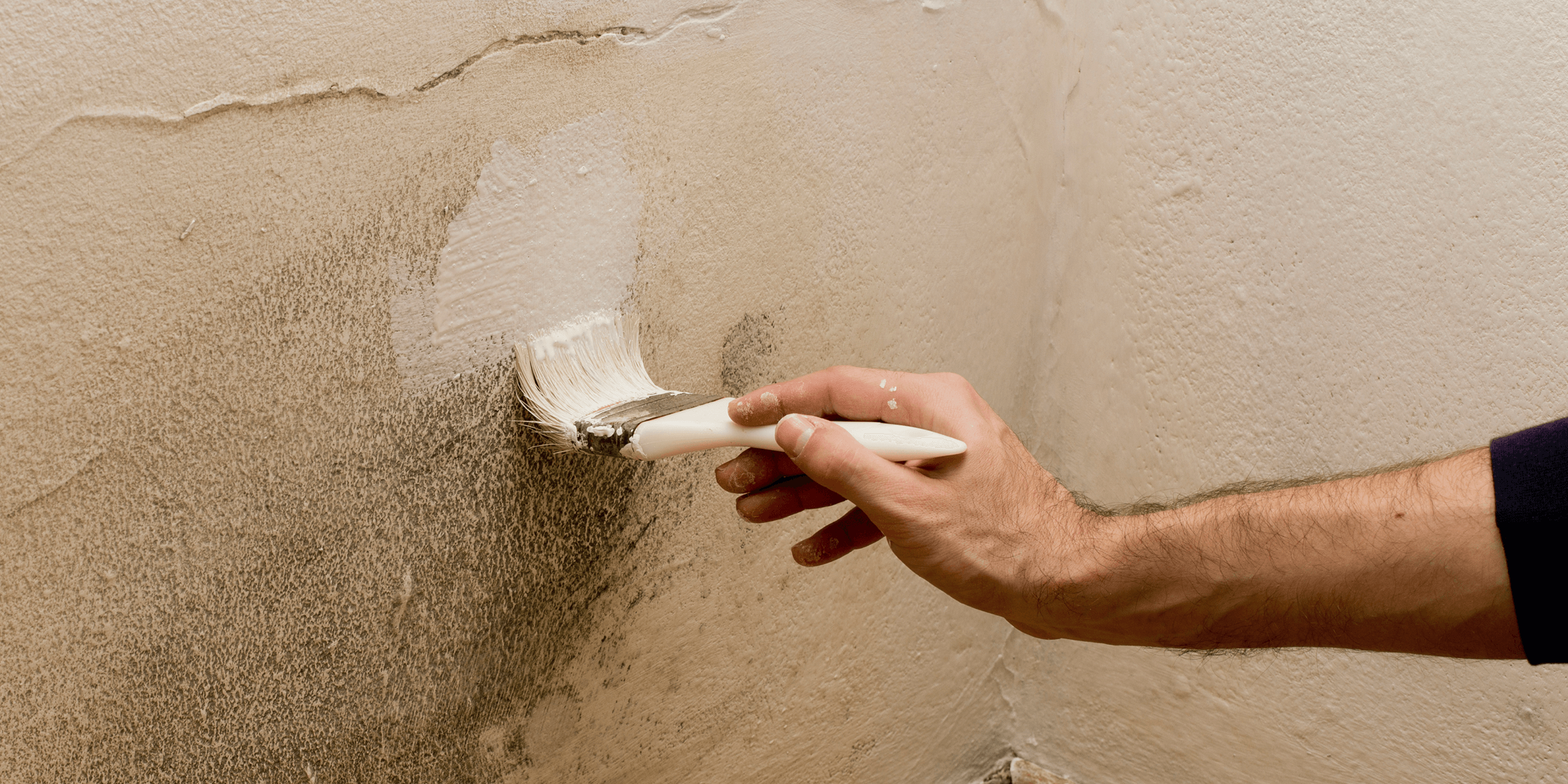
Short answer: No — not properly.
DIY attempts like:
- Painting over damp patches
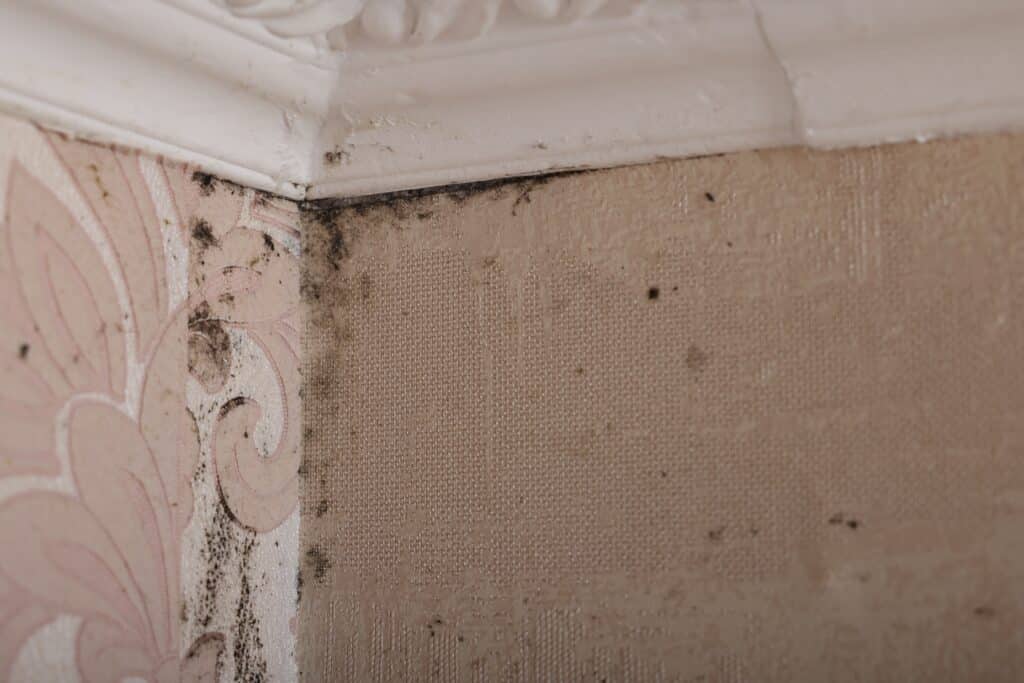
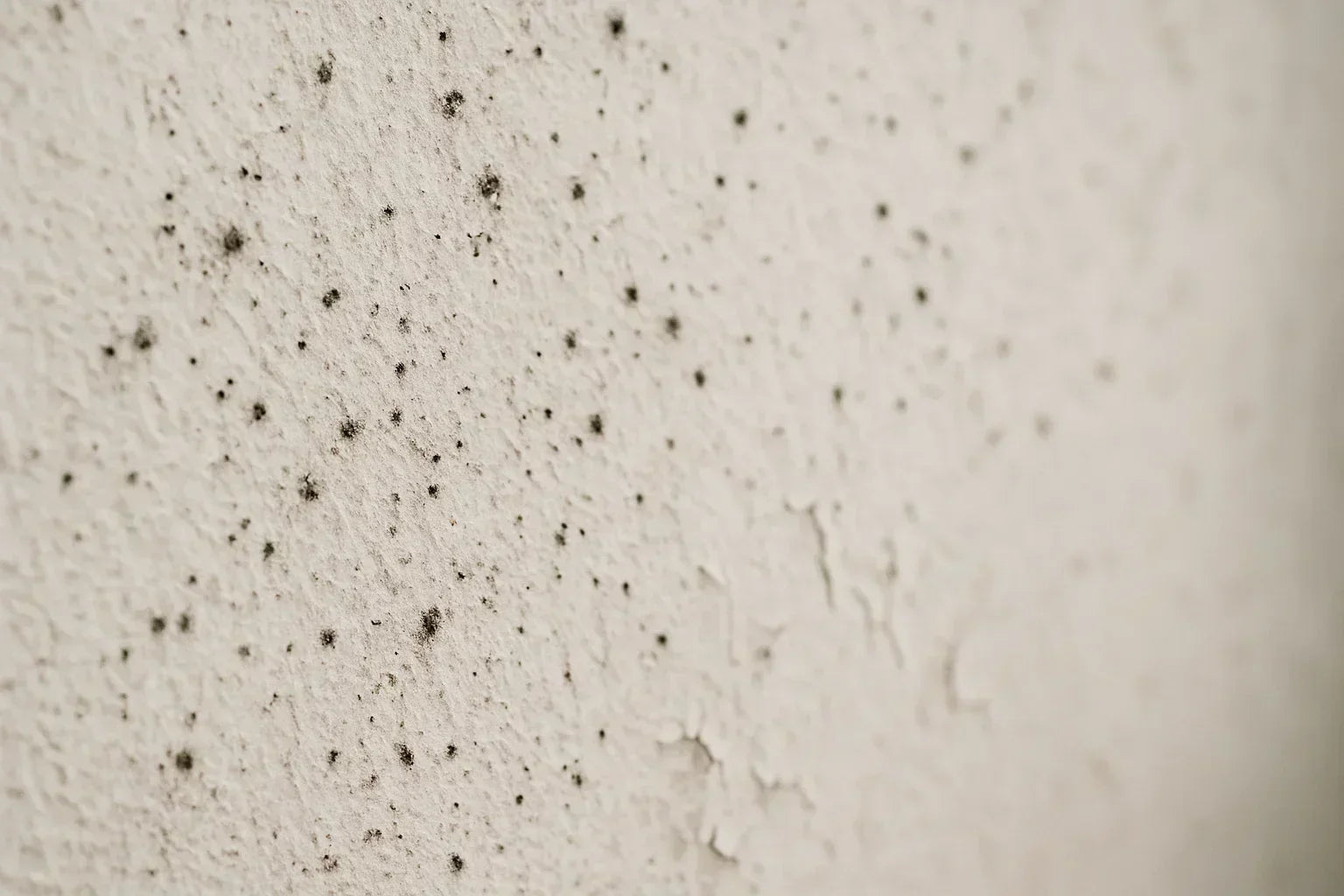
- Using anti-mould sprays
- Applying sealants
👉 These only treat the symptoms, not the cause.
Rising damp will continue to come back until the source of moisture is properly stopped.
✅ How Rising Damp on Walls Is Properly Treated
A professional solution typically involves:
1. Damp Survey
Identify the exact cause and extent of the problem.
2. Damp Proof Course Installation
A chemical DPC is injected into the wall to stop moisture rising.
3. Removal of Contaminated Plaster
Salt-damaged plaster is removed to prevent ongoing issues.
4. Replastering
Walls are replastered using specialist materials to resist moisture.
👉 This ensures the problem is solved long-term, not temporarily.
🏠 Why You Should Act Early
Ignoring rising damp can lead to:
- Structural timber damage (including floor joists)
- Increased heating costs
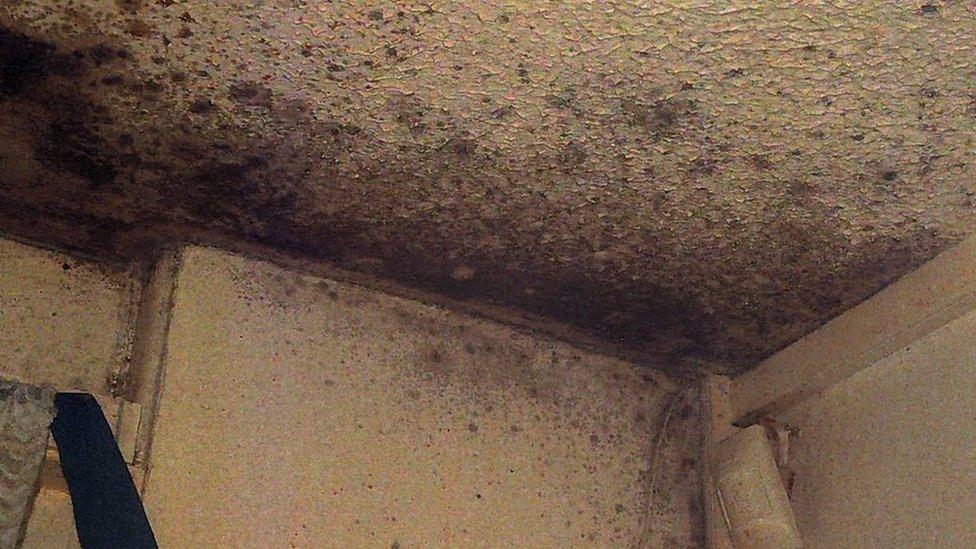
- Mould growth and poor air quality
- Reduced property value
The earlier it’s treated, the simpler and more cost-effective the solution.
📍 Rising Damp on Walls in Blackpool
Properties across Blackpool and the Fylde Coast are particularly prone to rising damp due to:
- Older housing stock
- Coastal weather conditions
- Solid wall construction in many homes
If you’re seeing signs of damp on your walls, it’s important to get a professional opinion before the issue worsens.
📞 Need Help with Rising Damp?
If you suspect rising damp in your home, a professional survey is the best first step.
An experienced specialist can confirm the cause and recommend the right treatment — saving you time, money and ongoing frustration.