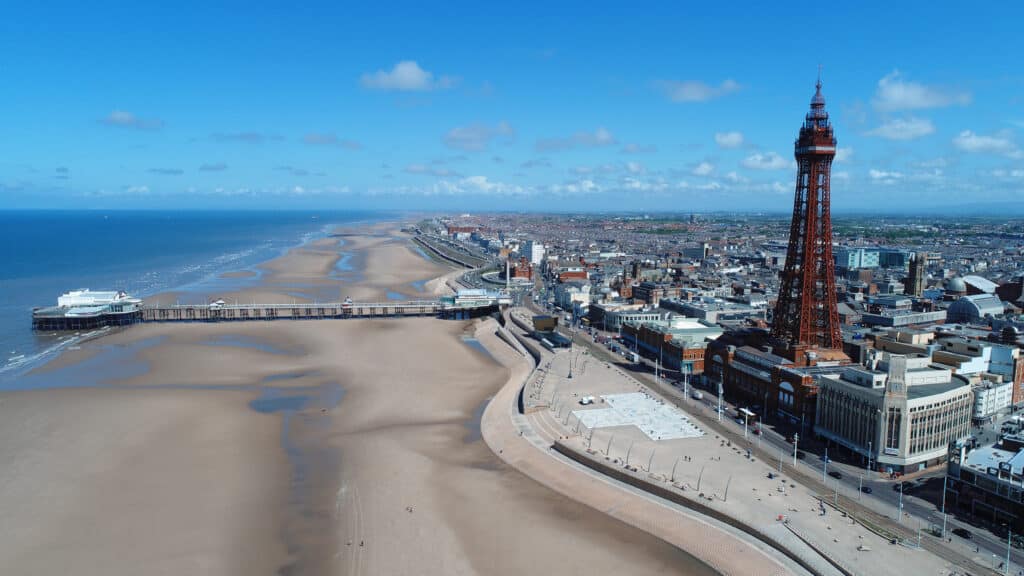
Homes across Blackpool and the wider Fylde Coast often experience damp problems due to the local climate, older housing stock and proximity to the Irish Sea. Coastal air carries high levels of moisture and salt, which can contribute to damp conditions inside properties.
While damp can affect any property, certain types of homes in Blackpool are more vulnerable than others. Understanding the most common causes of damp in coastal homes can help homeowners identify problems early and prevent costly structural damage.
Many of these issues require professional help from a Blackpool damp proofing specialist.
Why Damp is Common in Coastal Areas Like Blackpool
Blackpool’s coastal location means properties are regularly exposed to humid sea air, strong winds and frequent rainfall. These conditions increase the likelihood of moisture entering buildings through walls, roofs and poorly ventilated areas.
Salt carried in coastal air can also absorb moisture and contribute to damp conditions inside masonry walls, particularly in older brick buildings.
Combined with older housing construction methods and poor ventilation, this makes damp issues relatively common in coastal towns across Lancashire.
Older Terraced Houses and Damp
Many homes in Blackpool are traditional terraced properties built in the late 19th and early 20th centuries. While these homes have character and solid construction, they can also be more susceptible to damp problems.
Older properties may have:
- Ageing or damaged damp proof courses
- Solid brick walls with limited insulation
- Older roofing structures
- Timber floors and skirting boards vulnerable to moisture
Over time, deterioration of materials can allow moisture to penetrate walls and floors, leading to problems such as rising damp or timber decay.
Victorian Housing Stock in Blackpool
A significant proportion of properties across the Fylde Coast date back to the Victorian and Edwardian periods. These homes were built using traditional construction methods that relied heavily on natural ventilation.
Modern lifestyle changes, such as improved insulation, double glazing and reduced ventilation, can unintentionally increase humidity levels inside older homes.
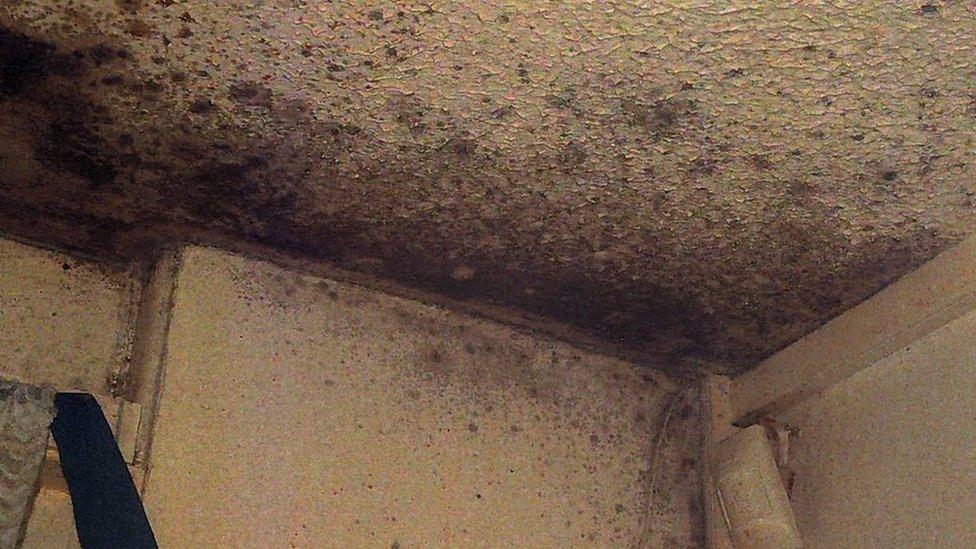
When moisture becomes trapped inside the building, condensation and mould growth can develop on walls, ceilings and window frames.
Poor Ventilation and Condensation
Poor ventilation is one of the most common causes of damp problems in modern homes. Everyday activities such as cooking, showering and drying clothes indoors release moisture into the air.
If this moisture cannot escape through adequate ventilation, condensation can form on colder surfaces such as walls and windows.
Over time, this can lead to:
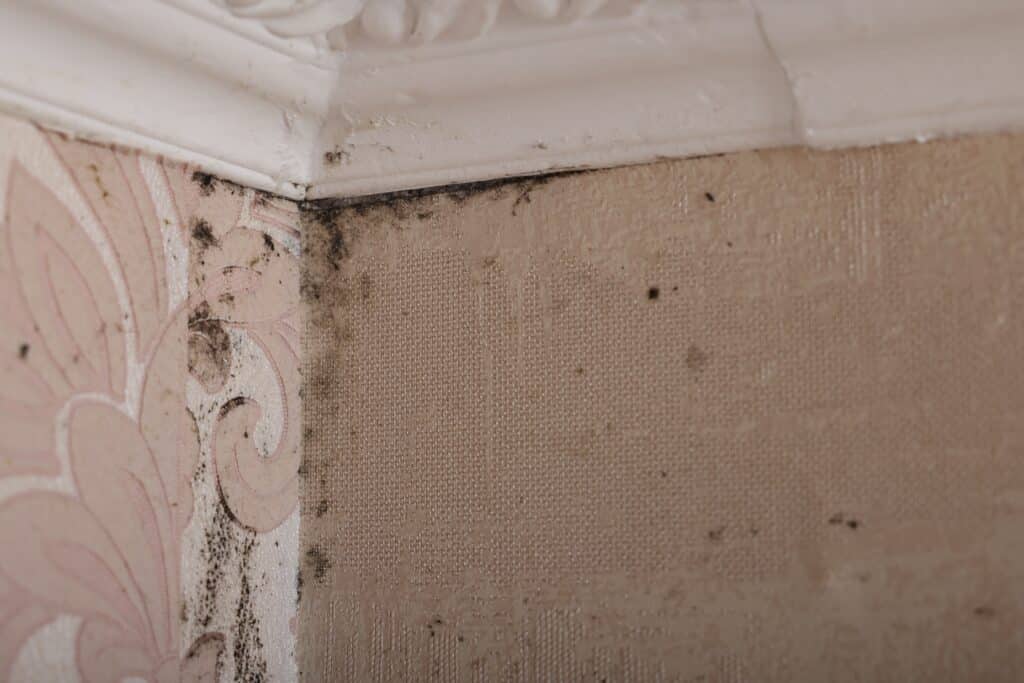
- Black mould growth
- Damp patches on walls
- Peeling paint or wallpaper
- Musty odours
Improving airflow through extractor fans, trickle vents and regular ventilation can significantly reduce condensation issues.
Rising Damp in Coastal Properties
Rising damp occurs when moisture from the ground travels upward through walls by capillary action. This can happen when the damp proof course becomes damaged or ineffective.
In coastal towns like Blackpool, older buildings are particularly vulnerable if the original damp proof course has deteriorated over time.
Typical signs of rising damp include:
- Damp patches at the base of walls
- Tide marks on plaster
- Crumbling plasterwork
- White salt deposits on walls
- Rotting skirting boards
Professional damp proofing treatment is usually required to permanently resolve rising damp issues.
Preventing Damp in Blackpool Homes
Although damp is common in coastal properties, there are several ways homeowners can reduce the risk of moisture problems developing.
- Ensure gutters and drainage systems are well-maintained
- Improve ventilation throughout the property
- Repair damaged brickwork or pointing
- Monitor humidity levels inside the home
- Arrange regular property inspections
Early detection is key. Identifying damp problems before they spread can prevent structural damage and reduce repair costs.
Damp Surveys in Blackpool and the Fylde Coast
If you suspect damp in your home, a professional damp survey can determine the exact cause of the problem and recommend the most effective treatment.
Accurate diagnosis is essential because different types of damp require different solutions. Treating the wrong problem can lead to recurring issues and unnecessary expense.
Homeowners across Blackpool, Lytham St Annes, Poulton-le-Fylde and the wider Fylde Coast can benefit from expert damp inspections to protect their property and maintain its long-term condition.