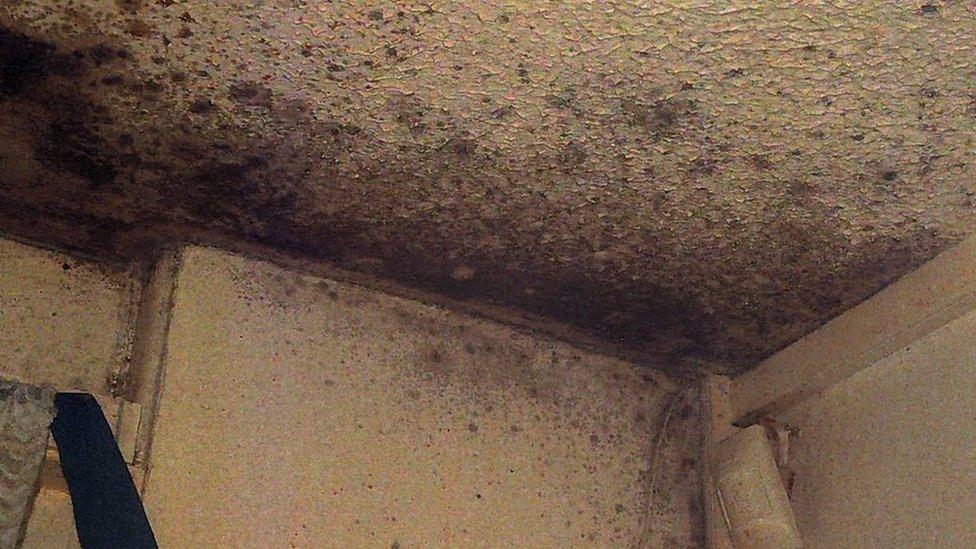
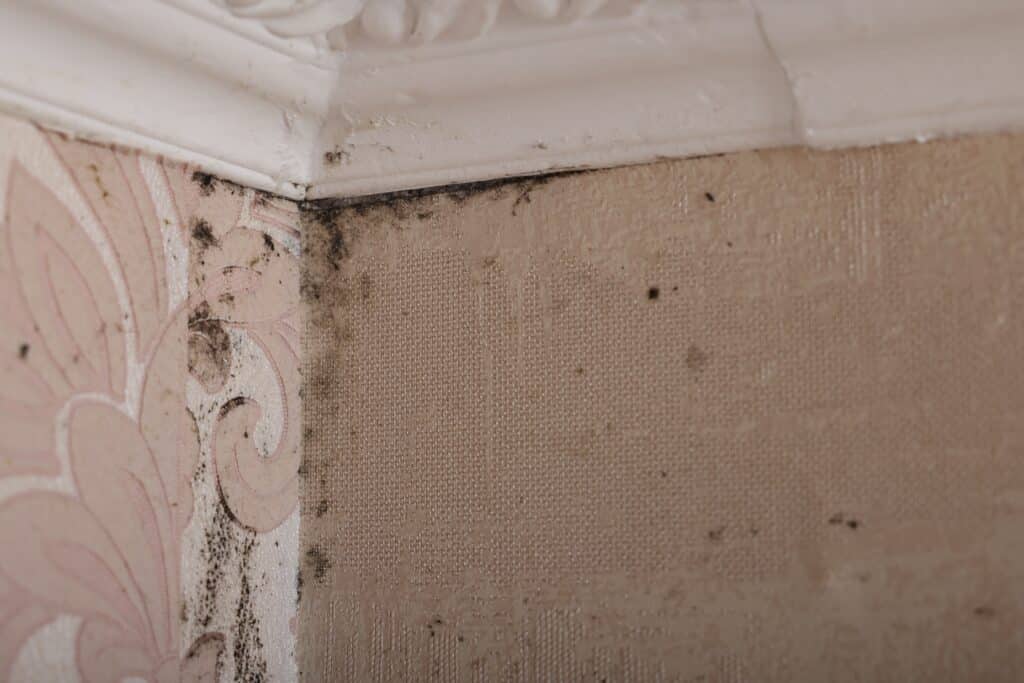
If you’ve noticed mould on your walls or ceilings, your first instinct might be to grab some bleach and scrub it away.
While this may seem like a quick fix, simply cleaning mould does not solve the problem. In many cases, it can actually make things worse over time.
In this guide, we explain why mould keeps coming back — and what you should do to get rid of it properly.
❌ Cleaning Mould Only Treats the Surface
Mould is more than just a stain. It’s a living organism that spreads through microscopic spores.
When you wipe mould away:
-
You may remove visible marks
-
But spores remain embedded in walls and plaster
This means the mould can quickly return, often in the exact same spot.
❌ Bleach Doesn’t Kill Mould Properly
Many people use bleach, but it’s not an effective long-term solution.
-
Bleach only works on non-porous surfaces
-
Walls and plaster are porous, allowing mould to grow beneath the surface
-
Moisture from bleach can actually encourage regrowth
👉 The result: mould disappears briefly, then comes back worse.
❌ Mould Is a Sign of a Bigger Problem
Mould doesn’t appear randomly — it’s usually caused by:
-
Condensation from poor ventilation
-
Cold walls and high humidity
-
Leaks or penetrating damp
👉 If the cause isn’t fixed, the mould will always return.
⚠️ Why Mould Is Common in Blackpool Homes
In coastal areas like Blackpool, mould problems are especially common due to:
-
High humidity from sea air
-
Older housing stock with poor insulation
-
Limited ventilation in bathrooms and bedrooms
This makes professional diagnosis even more important.
✅ The Right Way to Deal With Mould
To permanently remove mould, you need to:
1. Identify the Cause
A proper inspection will determine whether the issue is condensation, damp, or a structural problem.
2. Treat the Mould Correctly
Professional treatments remove mould safely and effectively without spreading spores.
3. Prevent It from Coming Back
This may involve:
-
Improving ventilation
-
Reducing humidity
-
Addressing damp issues
🔗 When to Get Professional Help
If mould keeps returning after cleaning, it’s a sign of a deeper issue.
A professional damp specialist can:
-
Diagnose the exact cause
-
Recommend the correct treatment
-
Prevent further damage to your property
👉 If you’re dealing with recurring mould, it’s time to stop treating the symptoms and fix the source.
Many of these issues require professional help from a Blackpool damp proofing specialist.
📍 Mould Problems in Blackpool? We Can Help
At Fylde Damp Proofing, we provide expert mould diagnosis and treatment across:
-
Blackpool
-
Lytham St Annes
-
Poulton-le-Fylde
-
Fleetwood
-
Preston
We don’t just clean mould — we solve the problem.
👉 Learn more about our mould removal service here:
/services/mould-removal-blackpool/
Frequently Asked Questions on Mould Removal
What is the best way to remove mould permanently?
The only way to permanently remove mould is to address the underlying cause, such as condensation or dampness, alongside professional mould removal.
Why does mould keep coming back after cleaning?
Because cleaning only removes surface mould. The root cause—usually moisture—remains untreated.
Is bleach good for removing mould?
Bleach can temporarily remove visible mould, but does not kill spores in porous materials like plaster.
Do I need a damp survey for mould?
If mould keeps returning, a damp survey is the best way to identify the cause and prevent long-term issues.