
Rising Damp Blackpool
Combat rising damp effectively with Fylde Damp Proofing’s specialised treatment, preserving your property’s structural integrity and maintaining a healthy living environment.
Rising Damp can be a seasonal effect, increasing during Winter, with rising water tables, and falling during summer. This seasonal effect must be taken in to account during the diagnosis period as, during the summer months, the symptoms could disappear.
Rising Damp is described as dampness resulting from water in the ground, rising up through masonry via capillary flow. Rising Damp can often be misdiagnosed and must be distinguished from other causes of dampness.
If you’re experiencing rising damp, our Blackpool damp proofing specialists can carry out a full survey and recommend the right treatment.
Many homeowners ask about the cost of treatment. You can learn more in our guide to damp proofing costs in Blackpool.
Damp Proof Course
The installation of a damp proof course will prevent Rising Damp and Rising Damp only. Fylde Damp Proofing always ensure the diagnosis is correct prior to making recommendations. In extreme cases we can even arrange sample analysis, in lab conditions, to gain definitive results as to the cause of dampness.
Re-plastering
A vital part of remedially treating dampness is the re-plastering specification. There are associated risks, that are out of a contractors hands, when using sand and cement renders for the re-plastering.
For this reason, we only use a pre-bagged, cement based, renovating plaster. This renovating plaster has a much better U-Value than sand cement, resulting in higher surface temperatures of walls. As it’s pre-bagged, all the associated risks with self-mixed sand and cement are removed.
What is Rising Damp: Causes and Solutions Explained
Rising damp is a big problem that can cause a lot of damage in a building by allowing moisture to rise up from the ground through the walls. This type of dampness occurs when groundwater moves through porous building materials by capillary action, often in older buildings. Knowing the signs early, such as damp patches or mould, is key to stopping further damage.
Rising damp isn’t the most common form of damp but its impact on a property can be big. If left untreated it will damage the property. A solution is to install a remedial damp proof course, a barrier that blocks the water rising up. Treatment also involves re-plastering the affected areas with specialist materials to give long term protection.
Knowing how rising damp behaves seasonally is key. Moisture levels increase in winter so you need to identify and treat it when it’s most visible. Owners should consider preventative measures and timely interventions to keep a dry and healthy living space.
Summary
Rising damp is caused by groundwater rising up through the walls.
Proper diagnosis and damp proofing is the solution.
Seasonal changes can hide rising damp signs.
What is Rising Damp?
Rising damp is when moisture from the ground rises up through the walls of the building. This can damage the structure, especially when combined with salts left behind as the water evaporates. It’s different from other types of damp like penetrating damp and condensation.
Rising Damp Basics
Rising damp is found in older buildings without effective moisture barriers. It occurs when groundwater gets into porous materials like bricks or mortar through capillary action.
Key signs are tide marks on walls, flaking paint and peeling wallpaper. This upward movement leaves white salt deposits, known as efflorescence. Knowing these signs is key to diagnosis and treatment.
Causes and How it Works
The main cause of rising damp is the absence or failure of a remedial damp proof course (DPC), a horizontal barrier in a wall that stops moisture rising. Common in older buildings, damaged or non-existent DPCs allow moisture to rise up from the ground.
Moisture from the soil is drawn up by capillary action. This process brings salts that as the water evaporates, crystallise on and within the wall. These salts can degrade the construction materials over time.
Compared to Other Types of Damp
Rising damp is often mistaken with penetrating damp and condensation but they are different problems. Penetrating damp comes from outside sources, like rainwater through a leaky roof. It’s usually visible as isolated patches.
Condensation is caused by indoor humidity and poor ventilation, forming water droplets on cold surfaces. Unlike rising damp, condensation doesn’t carry salts or affect the base of the walls. Knowing the differences helps you target the right solution for each damp problem.
How to Identify Rising Damp
Rising damp can cause big problems in buildings, both structurally and aesthetically. Early detection is key to prevent further damage.
Signs and Symptoms
Rising damp shows itself in several ways. Tide marks are one of the most common signs. These marks appear on internal walls, usually up to one metre high. Salt deposits, known as efflorescence, can form a white powdery substance on walls. There’s often a persistent damp smell in the affected areas.
Rising damp typically causes walls to feel cold. This happens because moisture from the ground is drawn up through capillary action, saturating the walls. As the water evaporates, it cools the surface, making the walls feel cold to the touch. Additionally, moisture reduces the wall’s insulating properties, allowing more heat to escape, further contributing to the cold sensation.
Plaster and paint may start to degrade, showing blistering or peeling. This can lead to visible damp patches. Wooden elements like skirting boards may also warp or rot. Check for these signs to confirm rising damp.
Rising vs Penetrating Damp
Knowing the difference between rising and penetrating damp is key. Rising damp moves up from the ground by capillary action, mainly affects internal walls. Penetrating damp is when water enters through external walls, usually due to faulty guttering or damaged roofs.
Rising damp shows symptoms like salt deposits and tide marks which are not present in penetrating damp. Penetrating damp can cause localised patches of moisture on walls after heavy rain.
Another difference is the smell. Rising damp has a distinct damp smell, penetrating damp may not have any smell. Knowing these differences helps you determine the right treatment.
Damp Proofing Solutions
Damp proofing solutions are key to fixing rising damp in properties. These solutions prevent moisture from damaging walls and maintain the structure of the building.
Types of Damp Proof Courses
There are several types of damp proof courses (DPC) used to treat rising damp. A traditional method is to install a physical barrier in the form of a slate or plastic strip within the wall to stop water rising.
Chemical DPC is a modern solution. It involves injecting a chemical damp-proofing solution into the wall. This creates a water-repellent barrier by filling the gaps in the wall’s pore structure. This is often seen as cost effective and non invasive.
A damp proof membrane is another option. These are sheets of waterproof material applied to walls, blocking moisture from entering. Each has its own benefits depending on the property and the extent of the damp problem.
Installation and Maintenance
Proper installation of a damp proof course is key to its working. For chemical DPC, holes are drilled at regular intervals along the mortar joint and the solution is injected. This requires precision so the solution forms a continuous barrier.
Maintenance is just as important. Regular checks will help you spot issues like incorrect installation and breaches due to external ground levels. If the ground level outside is higher than the DPC it will make the barrier ineffective.
Ongoing maintenance also means checking for any damage to membranes or physical barriers. Make sure these are intact so moisture can’t bypass the protection and the damp proofing will work long term.
Existing Rising Damp
Treating rising damp involves professional and DIY solutions. A full solution means understanding the problem, choosing the right treatment and follow up and maintenance.
Professional Assessment and Action
Getting a damp specialist involved is key to diagnosing rising damp. Specialists often affiliated to the Property Care Association will assess the extent of the problem and recommend the treatment. Common treatments include injecting a damp-proofing cream into the walls or installing a new damp-proof course.
Replastering the affected areas is often required. This removes old plaster that may contain hygroscopic salts; these salts absorb moisture and make the problem worse. Fixing the root cause is key to long term protection against mould, wet rot and dry rot. Regular follow ups will prevent re-occurrence and protect the building.
DIY Treatments: Do’s and Don’ts
Homeowners may consider DIY options but be cautious. One DIY method is using a DIY damp-proof cream available in most home improvement stores. This cream is injected into the mortar joints to create a barrier against moisture. Make sure you use the right equipment and apply it precisely to get the best results.
Some tasks like existing plasterwork require professional skills. Removing and replacing non breathable materials will prevent further damage. Don’t use temporary fixes like just repainting or adding wallpaper as these will mask the problem not solve it.
DIY should complement professional advice not replace it especially for severe damp issues. Regular checks on the property will help you maintain a dry healthy environment free of damp problems.
Prevention and Long Term Care
Rising damp can cause structural damage to walls and timber. Knowing how to prevent and maintain a damp free environment will save you costly repairs.
Prevention Methods
To prevent rising damp proper groundwater management is key. Installing a damp-proof course (DPC) is a barrier between the ground and the building walls. Regular checks and maintenance of the DPC will ensure it works.
Check for any cracks or gaps in the cavity walls and seal them promptly. These openings will allow moisture to enter and cause damp problems. Also maintain good ventilation to reduce indoor humidity which also contributes to rising damp.
Keep the external walls in good condition. Use weatherproof paint to add an extra layer of protection against moisture. If efflorescence appears on the walls clean it off quickly to prevent further damage.
Damp Free Environment
Regular home checks are key to a damp free environment. Look out for signs like peeling wallpaper or discolouration on walls which may indicate rising damp. Early detection will allow you to act fast before structural damage occurs.
Timber sections of the property like flooring and beams can be affected by moisture. Treat timber with water repellent products to prolong its life. Fix any plumbing leaks immediately as excess water will make damp worse.
Finally use dehumidifiers to control the humidity indoors. This will reduce the chance of moisture settling into walls and floors. Continuous management of these conditions will keep rising damp at bay and protect the property.
Rising Damp Blackpool and North West
When only the best will do, partner with us for Superior Damp Proofing Solutions
Get in touch...
Frequently Asked Questions
Rising damp can cause visible damp patches and damage to the masonry of a building. Knowing how to spot it and fix the problem is key to protecting the property.
How do I know if I have rising damp in my home?
Signs of rising damp are damp patches on lower walls and peeling paint or wallpaper. Salt deposits and decaying skirting boards may also be present. Moisture meters are sometimes used to confirm.
What’s the difference between rising damp and other types of dampness?
Rising damp comes from the ground and rises up by capillary action. Condensation forms on cooler surfaces or in areas of poor ventilation and penetrating damp is caused by leaks or water entering through the walls.
What are the common reasons for rising damp?
The main cause of rising damp is groundwater absorbed through porous building materials like bricks and mortar. Lack of a proper damp-proof course (DPC) or a failed DPC will make it worse.
How is rising damp treated in old buildings?
For old buildings treatments involve careful installation of chemical damp-proof courses or breathable renders. Preserving the original materials is key so methods are chosen that cause minimal disruption and respect the historic integrity.
Can rising damp occur on internal walls and how do I fix it?
Rising damp is usually on external walls but can occur on internal walls if they are in contact with the outside ground or connected to external structures. Solutions are to improve drainage and ensure a proper damp-proof course.
How much will it cost to fix rising damp in my property?
Costs will depend on the extent and treatment required. Installing a new damp-proof course, repairing plaster and fixing any structural issues will be costly. Budget for professional surveys and repairs to get it sorted.
Our happy customers...
REVIEWS
EXCELLENTTrustindex verifies that the original source of the review is Google. Wanted to say a big thank you to the team at Fylde Damp Proofing, I bought a house in St annes and sadly inherited mold and incredibly bad damp. Arron and his team came out and spent a few hours with me advising me on how to do things and how it would future proof my home. They started by installing a PIV Unit in my loft which immediately helped with condensation and also circulation. They then extracted all of the cavity wall insulation over the course of 3 days, they also installed some breathing blocks to help circulation. Most rooms then went back to brick, walls treated and then re skimmed. I was warned this would be a messy job, however they kept our home so incredibly clean and the team were so incredibly professional and friendly. They seem to have a really great friendly and supportive culture. I really cant recommend them enough, they are certainly experts and very fairly priced. Many ThanksPosted on GoogleTrustindex verifies that the original source of the review is Google. I asked Fylde Damp proofing to survey a new home for damp. It did need a lot of work doing which I was prepared for. I got the quote and instructed them to do the work when I moved in. I didn't even bother getting another quote as these guys were super friendly and professional, I wanted to go with them. They agreed a start date and turned up on time. Work was completed however I did have a small issue with the plasterwork done by one of their subcontractors. I spoke to Matt who immediately came to look at it for me. The contractor came back to rectify the issue straight away. Absolutely would 100% recommend this company to anyone needing damp work doing to their home.Posted on GoogleTrustindex verifies that the original source of the review is Google. If you ever need any damp issues, these are guys to see. I have used them several times. They get the job sorted. Absolute A1 + service.Posted on GoogleTrustindex verifies that the original source of the review is Google. Professional damp proof work undertaken on our kitchen by Paul Amado Dan and Bronson. Very clean and tidy and all have pride in their work. Our kitchen was put back in to a far better standard than it was before it came out. An exceptional standard of work. Thank you.Posted on GoogleTrustindex verifies that the original source of the review is Google. Amazing service from Matt and the team. Professional, friendly and excellent quality of work. Would definitely recommend. Thank you for all your hard work.Posted on GoogleTrustindex verifies that the original source of the review is Google. Excellent service would highly recommendPosted on GoogleTrustindex verifies that the original source of the review is Google. Great work would definitely recommend for the professional way they have carried out the works. Lads are hard workers and get the job done.Posted on GoogleTrustindex verifies that the original source of the review is Google. Had damp issue on a 1930s property front bay window surveyed by a guy called Matt, what a guy, very professional and informative, quote received via email within couple of days on email, which you could click to accept, the company came back to me promptly with an approximate start date, guy(s) that came to carry out the work were very professional and clean, left the place looking spotless, been couple of months now since the work and no further issues have arisen to the affected area, highly recommend Fylde Damp Proofing Ltd.
Latest News
NEWS
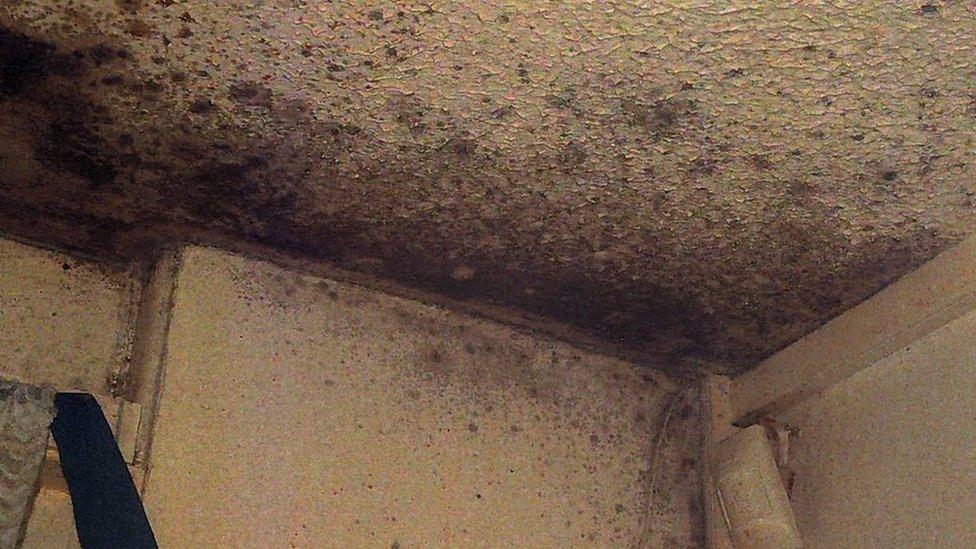
Is Black Mould Dangerous? Health Risks Every Homeowner Should Know
Black mould is something many homeowners across Blackpool and the Fylde Coast encounter at some point. It often appears as dark patches on walls, ceilings, or around windows,
Do You Need Damp Proofing in Blackpool? 7 Warning Signs to Look For
If you’ve noticed signs of damp in your home, you may be wondering whether you need professional damp proofing. Many properties across Blackpool and the Fylde Coast experience
Why Black Mould Keeps Coming Back (And How to Stop It Permanently)
If you’ve cleaned black mould from your walls, ceilings or windows — only to see it return days or weeks later — you’re not alone. Many homeowners across
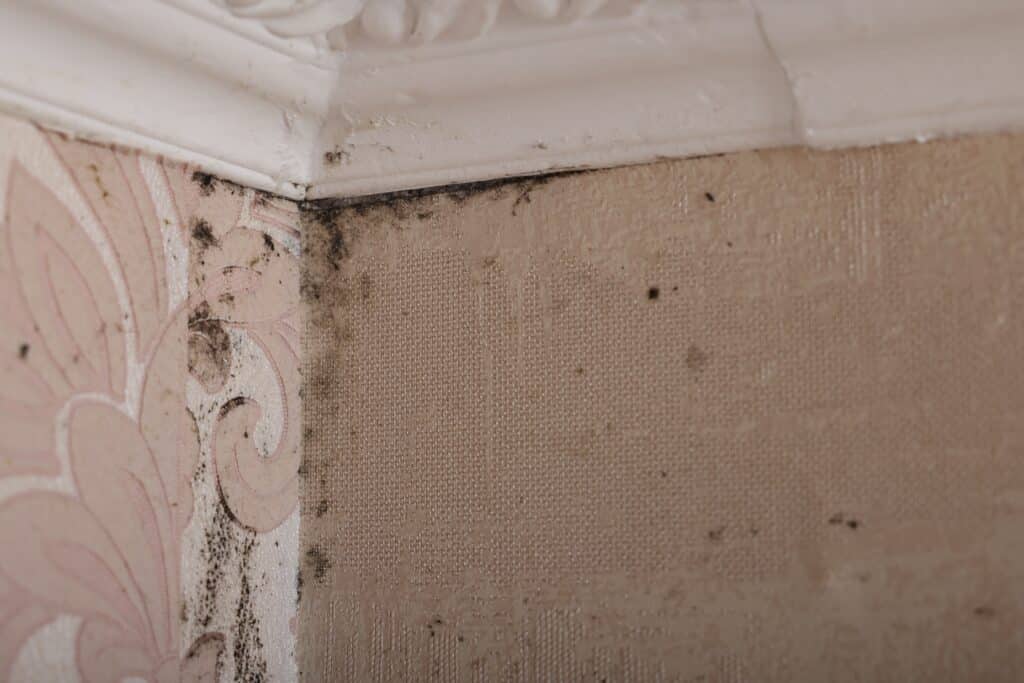
Rising Damp on Walls: Signs, Causes & How to Fix It
What Is Rising Damp on Walls? Rising damp occurs when moisture from the ground travels up through walls by capillary action. This typically affects older properties where the