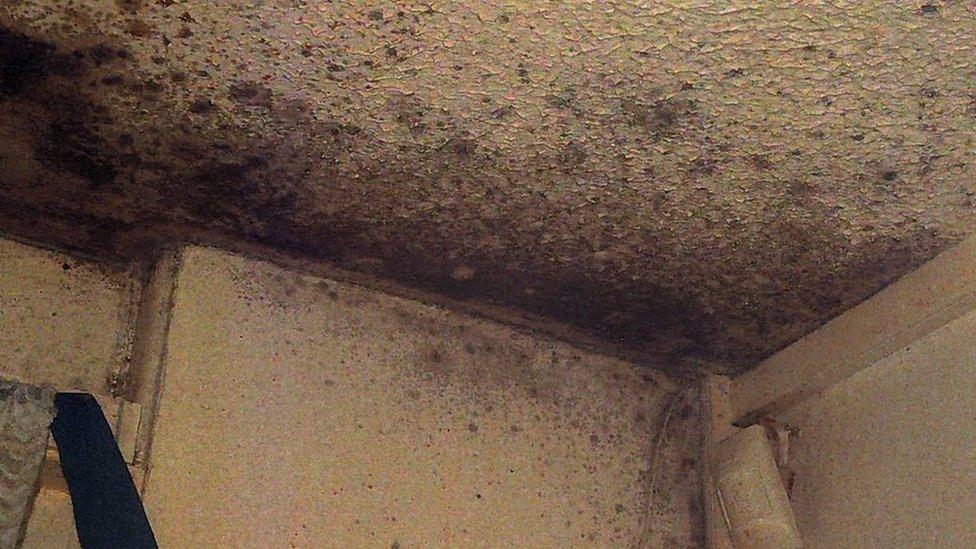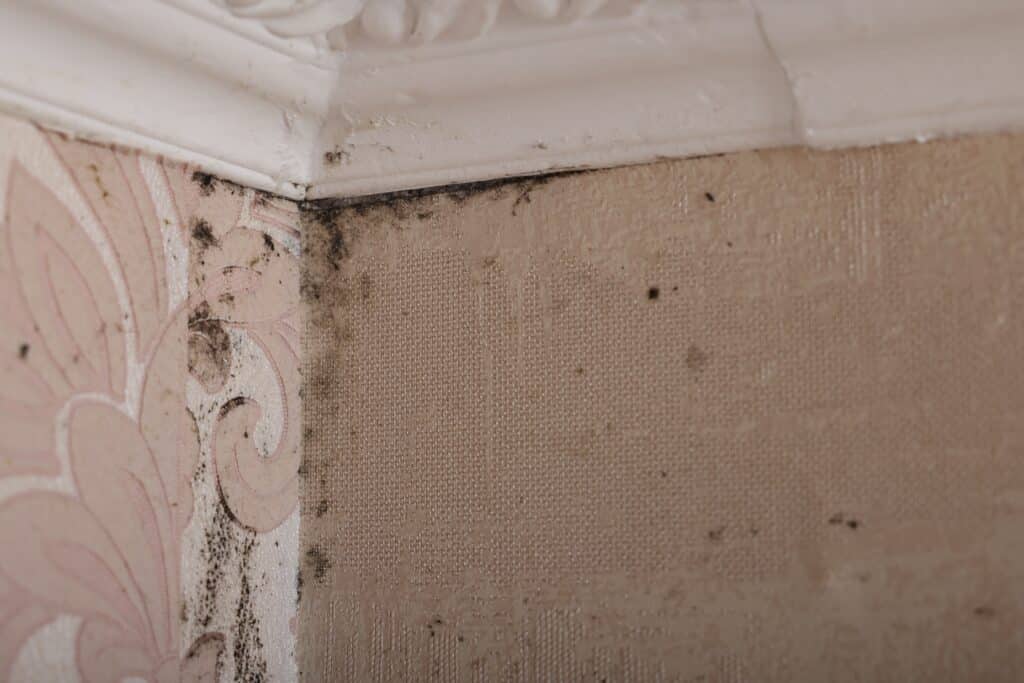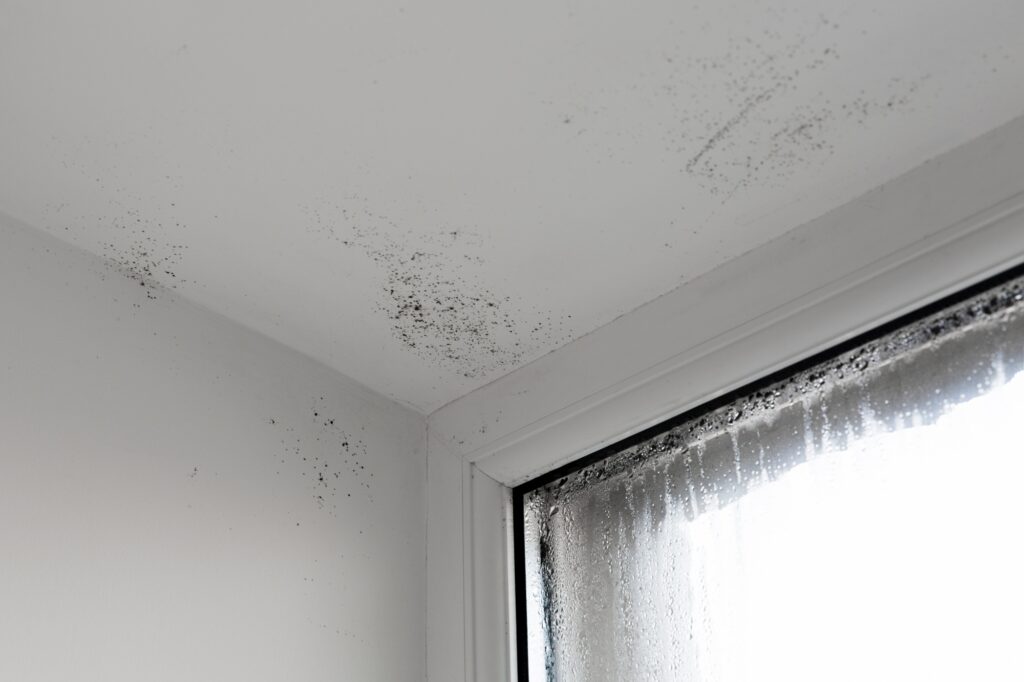
Black mould appearing in bedrooms is a very common problem in homes across the UK, particularly in coastal areas like Blackpool and the Fylde Coast. Many homeowners first notice mould as dark spots on walls, ceilings, or around window frames.
Although it can look alarming, bedroom mould is usually caused by condensation rather than structural damp problems. Understanding why mould forms can help you prevent it and protect your home.
What Causes Black Mould in Bedrooms?
Black mould develops when moisture in the air settles on cold surfaces such as walls or windows. When this moisture cannot escape through ventilation, it creates the ideal environment for mould spores to grow.
Bedrooms are particularly prone to condensation because people release moisture into the air while sleeping. Over the course of a night, breathing alone can produce a surprising amount of humidity.
When warm moist air meets colder walls or windows, condensation forms and mould can begin to develop.
Common Places Bedroom Mould Appears
Black mould often appears in areas where airflow is limited or where surfaces remain cold for long periods.
- Corners of external walls
- Around window frames
- Behind wardrobes or furniture
- Along ceilings or wall junctions
- On painted plaster walls
These areas tend to stay cooler than the rest of the room, which makes condensation more likely.
Why Bedrooms Are More Likely to Get Condensation
Bedrooms often have the perfect conditions for condensation to develop.
- Windows are usually closed overnight
- Heating may be turned down during the night
- Furniture may block airflow to walls
- Moisture from breathing accumulates in the room
In older properties with solid brick walls, the surfaces can become quite cold during winter months, increasing the likelihood of condensation.
Is Black Mould Dangerous?
Small areas of mould are usually more of a property maintenance issue than a serious health risk, but mould can affect indoor air quality and may cause irritation for some people.
Mould can also damage paintwork, plaster and decorations if the moisture problem is not addressed.
The most important step is identifying the underlying cause of the moisture.
How to Reduce Condensation in Bedrooms
Simple changes in ventilation and heating can often reduce condensation levels.
- Open windows for short periods each day to improve airflow
- Keep bedrooms heated during colder weather
- Avoid placing large furniture directly against external walls
- Use extractor fans in kitchens and bathrooms
- Dry clothes in well ventilated areas
Improving ventilation helps remove excess moisture from the air before it settles on walls.
Could the Damp Be Something Else?
Although bedroom mould is usually caused by condensation, it can sometimes be confused with other damp problems.
If mould appears alongside damp patches, peeling plaster or damage near the base of walls, it may be worth having the property inspected by a specialist.
Many homeowners are unsure whether they are dealing with condensation, rising damp, or another type of damp.
You can learn more about the difference in our guide to condensation problems in Blackpool homes.
Professional Damp Surveys in Blackpool
If you are experiencing recurring mould or damp problems, a professional inspection can identify the exact cause.
Fylde Damp Proofing carries out detailed damp surveys in Blackpool to diagnose moisture problems and recommend the correct treatment.
Identifying the cause early can prevent further damage and help keep your home dry and healthy.