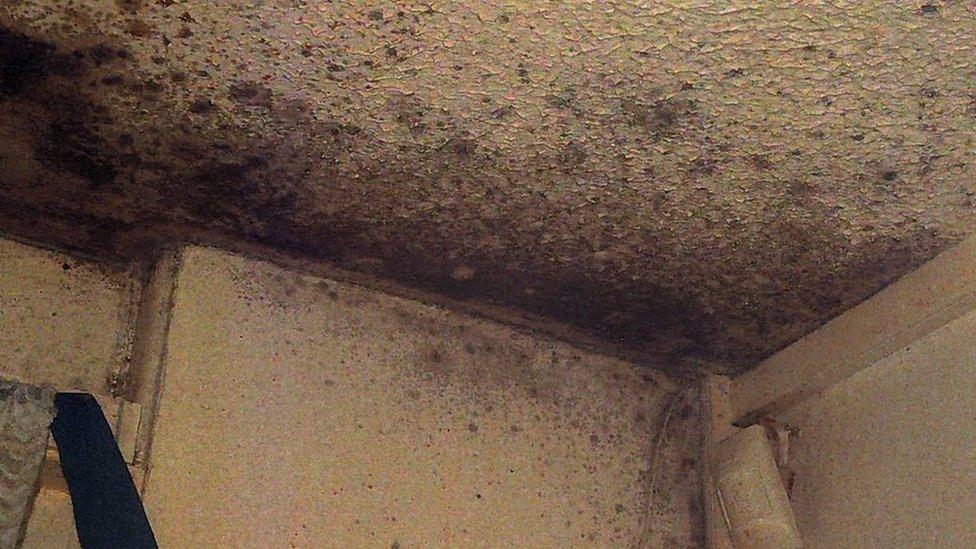
Is Black Mould Dangerous? Health Risks Every Homeowner Should Know
Black mould is something many homeowners across Blackpool and the Fylde Coast encounter at some point. It often appears as dark patches on walls, ceilings, or around windows,

Fungi comes in two most common forms. Wet Rot and Dry Rot. Having said that, there are many different types of wet rot however, there is only one type of dry rot.
In the UK, the term “dry-rot” refers to outbreaks of wood decay by the fungus Serpula Lacrymans. Unlike wet rot, for which relatively simple procedures are adequate for control, the successful remedial treatment of dry rot may require elaborate and sometimes costly control measures. It is important therefore, in the first instance, that an outbreak is identified correctly. There are a number of diagnostic features but sometimes the presence of several of them may be required for positive identification.
All types of wood rot can be difficult to detect in there early stages. This is particularly true with dry rot because it will mostly develop out of sight, behind panelling and plaster or beneath floorboards. Dry rot will attack both hardwoods and soft woods or other cellulosic materials as a food source. The fungus grows most rapidly on wood that has a moisture content of 30% or above, but not saturated.
Dry rot CAN NOT derive any nourishment from none organic materials such as brickwork or plaster. However, dry rot strands are able to grow on and through these materials. With this in mind, should an outbreak of Serpula Lacrymans be identified close to a partition wall with a neighbouring property, it would prove best practice to notify the owner of the neighbouring property of the issues present.
Recognisable symptoms of dry rot include;
Coniophora Puteana and Coniophora Marmorata (brown rots) together are the most common cause of rot in timbers which have been soaked by water leakage.
Both fungi produce strands that, when matured, are a brown to blackish colour. They are commonly seen on the surface of decayed wood and occasionally spread across wall surfaces.
Visual damage to wood includes cracks, most commonly along the grain of the wood, the cracks are usually less deep than those of dry rot.
Wet Rot prefers moisture levels between 30% – 50%. During remedial treatments for wet rot, it is vital to introduce rapid drying to prevent an outbreak of wet rot.
Wet rot and dry rot are two of the most common forms of timber decay found in UK properties. Both are caused by excess moisture and fungal growth that attacks wooden structures such as floor joists, roof timbers, window frames and structural beams.
If left untreated, timber rot can weaken structural wood and lead to costly repairs. At Fylde Damp Proofing we provide professional wet rot and dry rot treatment across Blackpool, the Fylde Coast and Preston, identifying the cause of the problem and providing long-term solutions.
Wet rot occurs when timber remains exposed to high levels of moisture over a prolonged period. This moisture allows fungal growth to develop within the wood fibres, causing the timber to soften and lose strength.
Common sources of wet rot include:
Wet rot typically affects timber in damp environments such as roof spaces, window frames, floor timbers and basements.
Dry rot is a more serious form of timber decay caused by the fungus Serpula lacrymans. Unlike wet rot, dry rot can spread through masonry and other building materials in search of timber to attack.
Dry rot requires less moisture than wet rot and can spread rapidly through a building if the conditions allow it to develop.
Because of its ability to travel and spread, dry rot can cause significant structural damage if not treated quickly.
Early identification of timber decay is essential to prevent serious structural damage. Some of the most common warning signs include:
If you notice any of these symptoms, it is important to arrange a professional inspection to determine the extent of the damage.
The first step in treating timber rot is identifying the exact cause of the moisture problem. Our specialists carry out detailed inspections to determine whether wet rot or dry rot is present.
A typical rot survey includes:
Once the problem has been diagnosed we recommend the most effective treatment to prevent further damage.
Effective treatment requires addressing both the timber decay and the moisture source that caused the problem.
Typical treatment solutions include:
By removing the conditions that allow fungal growth to develop, we can stop the rot from spreading and protect the structure of the building.
Preventative maintenance plays an important role in protecting your property from timber decay.
Steps that can help reduce the risk of wet rot and dry rot include:
Addressing damp issues early can prevent timber rot from developing and avoid expensive structural repairs.
If you suspect timber rot in your property, professional advice is essential. Our team provides expert inspections and treatment for timber decay throughout the Fylde Coast.
Contact Fylde Damp Proofing today to arrange a rot survey in Blackpool, Lytham St Annes, Poulton-le-Fylde, Thornton-Cleveleys, Fleetwood or Preston.
Wet and dry rot can ruin wooden structures. Knowing how to spot, treat and prevent is key. Knowing the signs, the differences and the conditions that cause these problems is vital for management.
Wet rot makes wood go dark and soft or spongy. It’s often damp. Dry rot is brittle wood with a strong fungal smell. Dry rot can also show grey strands or reddish fruiting bodies.
Treatment is to remove the source of moisture. For wet rot, replace the affected wood and fix the leaks. For dry rot, remove all affected wood, treat the remaining areas with a fungicide and improve ventilation to prevent re-occurrence.
Wet rot develops where there is high moisture content, usually over 50%, often due to leaks or poor drainage. Dry rot grows at lower moisture levels, around 20%, and is often caused by poor ventilation and damp conditions in enclosed spaces.
Wet rot stays near the source of moisture and doesn’t spread far. It decays wood but doesn’t damage the structure as a whole. Dry rot spreads rapidly throughout a building, destroying wood as it grows beyond its original environment.
To prevent rot, keep moisture levels in check by having good ventilation, fixing leaks quickly and managing condensation. Regular inspections help identify potential problems before they develop. Treating timber with preservatives can also be a good measure.
Early signs of dry rot are a strong fungal smell and cracked or shrinking timber. Look for any unusual fungal growths or strands. Act early to prevent major damage and treatment.
EXCELLENT Based on 17 reviews
 Posted on Google
 Jason HarrisWanted to say a big thank you to the team at Fylde Damp Proofing, I bought a house in St annes and sadly inherited mold and incredibly bad damp. Arron and his team came out and spent a few hours with me advising me on how to do things and how it would future proof my home. They started by installing a PIV Unit in my loft which immediately helped with condensation and also circulation. They then extracted all of the cavity wall insulation over the course of 3 days, they also installed some breathing blocks to help circulation. Most rooms then went back to brick, walls treated and then re skimmed. I was warned this would be a messy job, however they kept our home so incredibly clean and the team were so incredibly professional and friendly. They seem to have a really great friendly and supportive culture. I really cant recommend them enough, they are certainly experts and very fairly priced. Many ThanksPosted on Google
 Midwife HayleyI asked Fylde Damp proofing to survey a new home for damp. It did need a lot of work doing which I was prepared for. I got the quote and instructed them to do the work when I moved in. I didn't even bother getting another quote as these guys were super friendly and professional, I wanted to go with them. They agreed a start date and turned up on time. Work was completed however I did have a small issue with the plasterwork done by one of their subcontractors. I spoke to Matt who immediately came to look at it for me. The contractor came back to rectify the issue straight away. Absolutely would 100% recommend this company to anyone needing damp work doing to their home.Posted on Google
 Praf RamaIf you ever need any damp issues, these are guys to see. I have used them several times. They get the job sorted. Absolute A1 + service.Posted on Google
 Rob McEwenProfessional damp proof work undertaken on our kitchen by Paul Amado Dan and Bronson. Very clean and tidy and all have pride in their work. Our kitchen was put back in to a far better standard than it was before it came out. An exceptional standard of work. Thank you.Posted on Google
 Michelle WrightAmazing service from Matt and the team. Professional, friendly and excellent quality of work. Would definitely recommend. Thank you for all your hard work.Posted on Google
 Susan ParkerExcellent service would highly recommendPosted on Google
 Steve TGreat work would definitely recommend for the professional way they have carried out the works. Lads are hard workers and get the job done.Posted on Google
 Alistair MillsHad damp issue on a 1930s property front bay window surveyed by a guy called Matt, what a guy, very professional and informative, quote received via email within couple of days on email, which you could click to accept, the company came back to me promptly with an approximate start date, guy(s) that came to carry out the work were very professional and clean, left the place looking spotless, been couple of months now since the work and no further issues have arisen to the affected area, highly recommend Fylde Damp Proofing Ltd.
Black mould is something many homeowners across Blackpool and the Fylde Coast encounter at some point. It often appears as dark patches on walls, ceilings, or around windows,
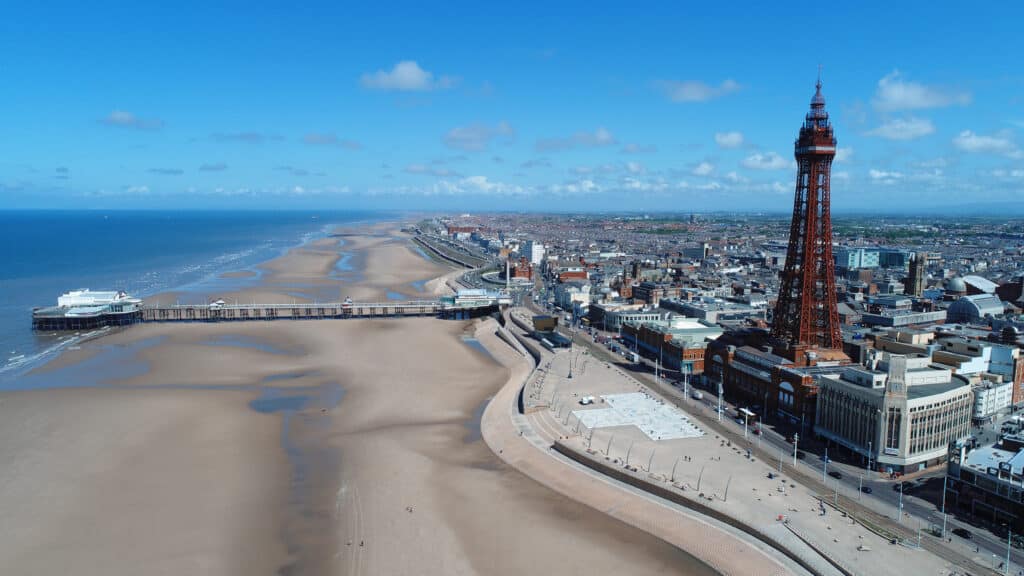
If you’ve noticed signs of damp in your home, you may be wondering whether you need professional damp proofing. Many properties across Blackpool and the Fylde Coast experience
If you’ve cleaned black mould from your walls, ceilings or windows — only to see it return days or weeks later — you’re not alone. Many homeowners across
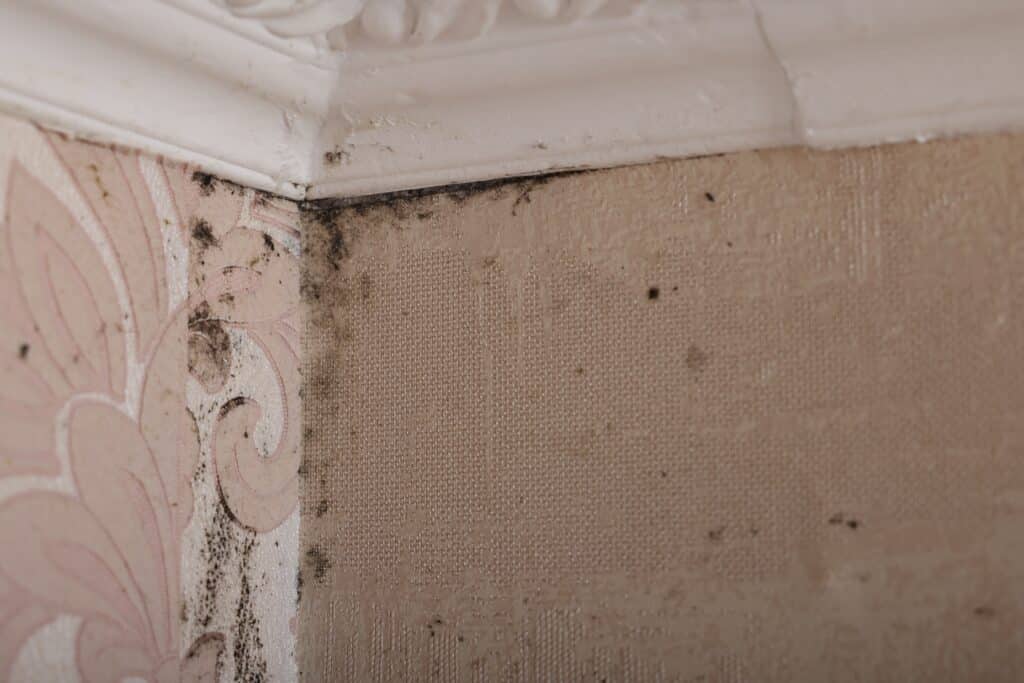
What Is Rising Damp on Walls? Rising damp occurs when moisture from the ground travels up through walls by capillary action. This typically affects older properties where the