
Woodworm Treatment
Fylde Damp Proofing expertly tackles woodworm infestations, safeguarding your property’s integrity with thorough inspections and effective treatment solutions. Protect your investment today.
Wood boring insects, or beetles are commonly known as “woodworm” due to the beetle beginning life as a larva. Eggs are laid by female insects, usually in cracks, splits and/or pores of the wood. The eggs are very small, often invisible to the unaided eye. The eggs usually hatch within a short period of laying.
The larva hatches from the egg and it is at this stage where most of the damage to the timber occurs. The larvae stage varies in duration from a few weeks, to many years depending on the species. In most timber insects, it is the longest-lived stage.
Eventually the larva undergoes a dormant period. During this period the larva ceases to feed and profound changes in form and structure occur (metamorphosis). This is known as the Pupa stage. The Pupa resembles a mummified, pale yellow beetle covered with a transparent skin, which darkens in colour as the time for adulthood emergence approaches.
At the completion of metamorphosis, the adult insect emerges from the Pupal skin. It bores its way out of the timber, leaving an exit hole which is usually round or oval in shape, varying in size according to the species of insect. These exit holes are usually the first visual sign of infestation.
Emergence of adult insects from timber may sometimes be delayed for a period of months after metamorphosis. The moisture content of timbers would usually be in excess of 20% for an insect infestation to occur. If caught early enough, ie, prior to the loss of structural integrity then timbers affected by insects can be chemically treated.
Treatments vary according to the purpose of the affected timbers. Structural timbers such as roof purlins and structural beams are often treated with a deep penetrating paste.
Woodworm Treatment Blackpool and North West
When only the best will do, partner with us for Superior Damp Proofing Solutions
Get in touch...
Our happy customers...
REVIEWS
EXCELLENT Based on 17 reviews
 Posted on Google
 Jason HarrisWanted to say a big thank you to the team at Fylde Damp Proofing, I bought a house in St annes and sadly inherited mold and incredibly bad damp. Arron and his team came out and spent a few hours with me advising me on how to do things and how it would future proof my home. They started by installing a PIV Unit in my loft which immediately helped with condensation and also circulation. They then extracted all of the cavity wall insulation over the course of 3 days, they also installed some breathing blocks to help circulation. Most rooms then went back to brick, walls treated and then re skimmed. I was warned this would be a messy job, however they kept our home so incredibly clean and the team were so incredibly professional and friendly. They seem to have a really great friendly and supportive culture. I really cant recommend them enough, they are certainly experts and very fairly priced. Many ThanksPosted on Google
 Midwife HayleyI asked Fylde Damp proofing to survey a new home for damp. It did need a lot of work doing which I was prepared for. I got the quote and instructed them to do the work when I moved in. I didn't even bother getting another quote as these guys were super friendly and professional, I wanted to go with them. They agreed a start date and turned up on time. Work was completed however I did have a small issue with the plasterwork done by one of their subcontractors. I spoke to Matt who immediately came to look at it for me. The contractor came back to rectify the issue straight away. Absolutely would 100% recommend this company to anyone needing damp work doing to their home.Posted on Google
 Praf RamaIf you ever need any damp issues, these are guys to see. I have used them several times. They get the job sorted. Absolute A1 + service.Posted on Google
 Rob McEwenProfessional damp proof work undertaken on our kitchen by Paul Amado Dan and Bronson. Very clean and tidy and all have pride in their work. Our kitchen was put back in to a far better standard than it was before it came out. An exceptional standard of work. Thank you.Posted on Google
 Michelle WrightAmazing service from Matt and the team. Professional, friendly and excellent quality of work. Would definitely recommend. Thank you for all your hard work.Posted on Google
 Susan ParkerExcellent service would highly recommendPosted on Google
 Steve TGreat work would definitely recommend for the professional way they have carried out the works. Lads are hard workers and get the job done.Posted on Google
 Alistair MillsHad damp issue on a 1930s property front bay window surveyed by a guy called Matt, what a guy, very professional and informative, quote received via email within couple of days on email, which you could click to accept, the company came back to me promptly with an approximate start date, guy(s) that came to carry out the work were very professional and clean, left the place looking spotless, been couple of months now since the work and no further issues have arisen to the affected area, highly recommend Fylde Damp Proofing Ltd.
Woodworm Treatment: Effective Solutions for Your Home
Woodworm infestations can be a significant worry for homeowners, as these small wood-boring insects quietly undermine the integrity of structures and furniture over time. As larvae, they tunnel through wooden materials, unseen but destructive. Catching these pests early is crucial to preventing serious damage, and recognising the tell-tale signs, such as small round or oval holes, can save you a lot of hassle.
Effective woodworm treatment involves both prevention and active measures to eradicate existing infestations. Homeowners often must decide between tackling the issue themselves or seeking professional help, depending on the severity. Chemical treatments tailored to the type of wood are commonly used, but ensuring wood remains dry is also vital, as woodworm thrives in moisture-rich environments.
Understanding the life cycle of woodworm can help in controlling these pests. Eggs are laid in crevices of wood and hatch into larvae, which then live for extended periods inside the timber before emerging as adults. Each stage requires a specific approach to manage the problem and ensure your home remains protected against future threats.
Key Takeaways
- Early detection of woodworm prevents severe damage.
- Treatment includes moisture control and specific chemicals.
- Professional and DIY options depend on infestation severity.
Woodworm
Woodworm is a common problem for many homeowners. It refers to the larvae of various beetle species that feed on and damage wood. This section covers the different species, life cycle and signs of infestation to help you identify and manage the problem.
Different Species
Woodworm is caused by different types of beetles, the Common Furniture Beetle (Anobium punctatum) is the most common. This beetle leaves small round exit holes 1-2mm in diameter. The Deathwatch Beetle infests older hardwoods and leaves larger holes.
The House Longhorn Beetle is the most destructive, often found in roof timbers. The Powder Post Beetle attacks hardwoods like teak and oak, leaves powdery frass. Knowing these species helps you choose the right treatment.
Woodworm Life Cycle
Knowing the life cycle of woodworm is key to managing infestations. The cycle starts when adult beetles lay eggs on or in the wood. The larvae once hatched burrow into the wood and feed for several years.
During this stage they do the most damage. Then they pupate and emerge as adult beetles leaving visible exit holes. Knowing these stages helps you time your treatment to break this cycle and minimize damage.
Signs of Infestation
Catching woodworm infestations early prevents damage. One of the signs is small round exit holes on wood surfaces. These holes with frass (powdery wood residue) means active infestation.
Weak or damaged wood can also be a sign of wood boring beetles. An infested area will sound hollow when tapped gently. Seeing adult beetles near wood surfaces indoors is another sign. Early detection helps you choose the right treatment and avoid structural damage.
Woodworm can damage timber and furniture depending on the type of wood affected. Knowing which wood types are most affected helps to prevent and manage infestations.
Timber and Furniture Damage
Woodworm larvae tunnel through timber and furniture as they eat, weakening the structure. It’s especially damaging to antique furniture where the detail is fine.
The larvae burrow into the wood, leaving small holes. Over time this leads to more damage which may not be visible. Softwoods are more prone to damage than hardwoods, older pieces and structural beams are most vulnerable.
Regular inspections will help you catch signs early, small exit holes or sawdust like frass. Treatment is crucial for valuable or historical items to prevent further weakening of the wood structure. By acting fast you can preserve the life of the affected furniture and timber and minimize replacement needs.
Wood Type Vulnerability
Different wood types have different levels of vulnerability to woodworm. Softwoods like pine are more at risk because the larvae can penetrate easily. Heartwood is more resistant while sapwood is more prone to infestation because of its moisture content and softer texture.
Softwoods or untreated surfaces are more at risk. Hardwoods like oak are less attacked but no wood is completely immune. Moisture level is key because woodworm larvae need a certain level of moisture to survive and thrive.
Preventative measures like lowering humidity and treating susceptible woods can reduce the risk of infestation. Using the right finishes and good ventilation can protect vulnerable timber and furniture from further damage.
Woodworm prevention is about managing moisture and looking after the wood. These steps keep the wood dry and less attractive to pests like wood boring insects.
Moisture Control
Keeping wood dry is key to preventing woodworm infestations. Moisture content in wood should be low, damp conditions attract wood boring insects.
Dehumidifiers are useful in dry areas prone to dampness like basements and attics. Regular ventilation can also remove excess moisture from the air. Check for leaks and repair damp spots regularly to prevent creating conducive conditions for pests. By controlling the environment’s humidity you can reduce the risk of woodworm problems.
Proper Storage and Care of Wood
Storing wood correctly will protect it from woodworms. All timber items should be checked for signs of infestation before bringing them into the home. Storing wood in dry, well ventilated areas will keep the moisture content low.
Beeswax can be applied as a coating to furniture and other items to give some protection against wood boring insects. Regular maintenance which includes polishing with products containing beeswax will not only protect the wood but also make it look good. And make sure any new wood is treated or sealed to prevent pests from moving in.
Woodworm can weaken wood structures and needs to be treated quickly. To treat woodworm, solutions range from chemical treatments to natural methods and professional pest control for severe infestations.
Chemical Treatments
Chemical treatments are the first line of defence against woodworm. Insecticides like those containing permethrin are popular choices. These will kill wood boring beetles and their larvae. Many homeowners use woodworm treatment sprays available in DIY stores.
For deeper infestations boron based products may be recommended. These will penetrate the wood and target the larvae deep inside. Although effective you must follow the instructions carefully when applying these chemicals to ensure safety and effectiveness.
Natural and Non Chemical Methods
For those who want alternatives, natural solutions are available. Controlling the environment is key; keeping wood dry and well ventilated will deter woodworm. Increasing ventilation and reducing humidity will prevent woodworm from surviving.
Essential oils like orange or neem oil have some natural repellent properties. Regular monitoring and maintenance like sealing cracks in wood can be helpful. These methods won’t eliminate severe infestations but will prevent the problem from getting worse.
Professional Pest Control
Professional pest control is recommended for severe infestations. Experts will offer fumigation and advanced insecticides. Fumigation treats the wood in enclosed spaces and gets deep into the wood.
Professional services will not only treat the current infestation but also prevent future problems. They will do a thorough inspection to assess the extent of the problem and decide on the best treatment. Hiring a professional will ensure the right techniques and safe handling of chemicals and give you peace of mind.
Common Furniture Beetle Treatment
Surface Treatment:
- Use a water- or solvent-based woodworm treatment (borate-based products are effective against the Common Furniture Beetle).
- Apply with a brush or spray following the manufacturer’s instructions.
Injection Treatment:
- For deeper infestations of the Common Furniture Beetle, inject treatment fluid directly into exit holes using a syringe or applicator.
Fumigation (Severe Cases):
- Consider professional fumigation if the infestation of common furniture beetles is widespread.
House Longhorn Beetle Treatment
Surface Application:
- Use a professional-grade insecticidal wood preservative (permethrin-based is common as a woodworm killer for treating wood boring beetles like House Longhorn Beetle).
- Apply by spraying or brushing over exposed wood.
Injection Treatment:
- Inject insecticide into exit holes using a specialized applicator.
- Ensure coverage in all affected and surrounding areas.
Fumigation (Severe Cases):
- For large-scale infestations, consider professional fumigation or heat treatment.
- This method is highly effective but requires vacating the premises during the process.
Woodworm treatment involves several steps to remove infestation and maintain the health of wooden structures, including furniture and timber. Proper application and safety is key to treating woodworm and long term protection.
How to Apply Woodworm Treatment
Find the woodworm first; look for small holes and fine dust where they exit. Decay or dampness must be treated before treatment.
Use woodworm sprays or fluid injectors. For sprays coat the timber surface thoroughly as per product instructions. For deeper infestations inject treatment fluid directly into the holes using an injector.
For structural timber like joists consider consulting a professional if the woodworm season and life cycle makes DIY difficult.
Safety Precautions and Tips
Safety is key when handling chemicals. Always wear gloves, eyewear and a mask to avoid contact with the substance. Ensure the area is well ventilated to prevent inhaling fumes.
Keep treatments away from children and pets. Follow the instructions closely, especially the drying times and application rates.
Store chemicals in a safe place, exposure can be harmful. Never mix different products without checking their compatibility.
Post Treatment and Maintenance
After the treatment, inspect the treated areas regularly for new infestations. Keeping wooden structures dry is key to preventing woodworm from coming back.
Consider treating timber with protective finishes to make it more resistant. Seasonal checks especially during the woodworm season will help you identify problems early.
If woodworm symptoms persist a professional assessment may be needed. Monitoring the woodworm life cycle will help you time further preventative measures.
Woodworm Treatment Frequently Asked Questions
Woodworm is common and manageable. This section will guide you on the treatments, cost, products and prevention methods.
Professional treatments usually involves chemical sprays or injecting into the affected wood. Heat treatment which raises the temperature to kill the larvae can also be effective. You need to assess the type and extent of infestation to choose the best method.
Cost varies on the size of the area affected and the woodworm treatment method used. Larger infestation in bigger structures will cost more. Fylde Damp Proofing will give you a more accurate quote after a detailed survey.
Permethrin-based insecticides are commonly used for woodworm treatment. They are applied to the wood surface to kill existing larvae and prevent new ones. Always follow the safety guidelines when using these chemicals.
Keep timber dry, woodworm loves moisture. Regular inspections and treating wood with preventive chemicals will help. Make sure furniture and timber are sealed properly to reduce the risk of infestation.
Natural methods includes using essential oils like orange or neem oil but these may not be as effective as chemical woodworm treatment. Regular maintenance and monitoring is key to preventing infestations naturally.
Latest News
NEWS
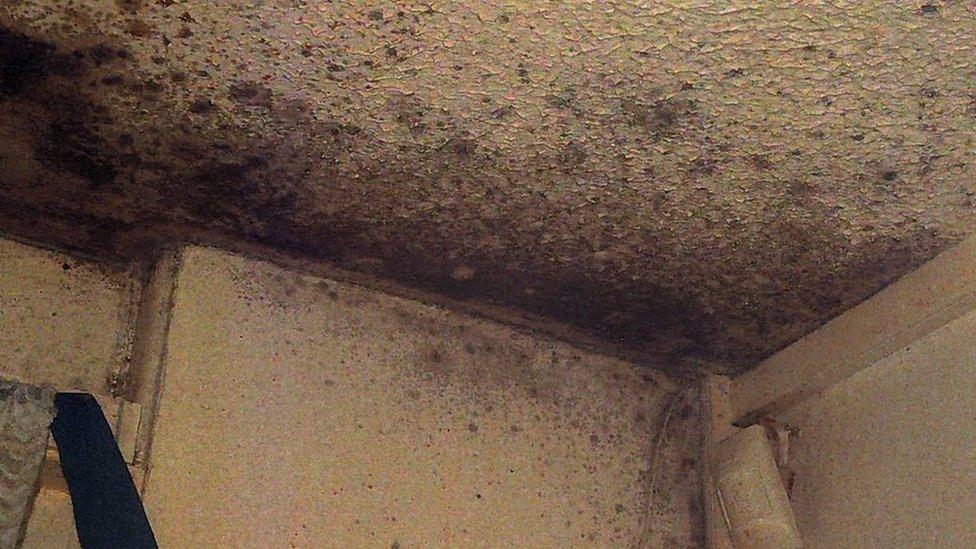
Is Black Mould Dangerous? Health Risks Every Homeowner Should Know
Black mould is something many homeowners across Blackpool and the Fylde Coast encounter at some point. It often appears as dark patches on walls, ceilings, or around windows,
Do You Need Damp Proofing in Blackpool? 7 Warning Signs to Look For
If you’ve noticed signs of damp in your home, you may be wondering whether you need professional damp proofing. Many properties across Blackpool and the Fylde Coast experience
Why Black Mould Keeps Coming Back (And How to Stop It Permanently)
If you’ve cleaned black mould from your walls, ceilings or windows — only to see it return days or weeks later — you’re not alone. Many homeowners across
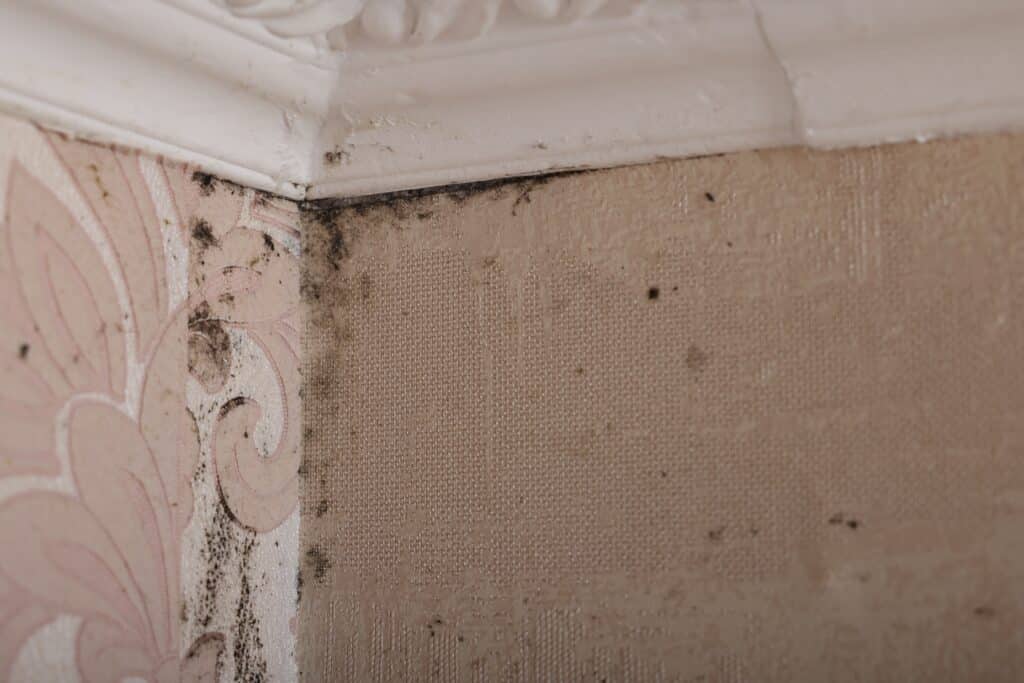
Rising Damp on Walls: Signs, Causes & How to Fix It
What Is Rising Damp on Walls? Rising damp occurs when moisture from the ground travels up through walls by capillary action. This typically affects older properties where the