Awaab’s Law has become an essential topic in the ongoing conversation about housing standards in the UK. This new law aims to prevent tragedies similar to that faced by Awaab Ishak, a two-year-old who tragically died due to mould exposure in his home. At its core, Awaab’s Law sets strict timeframes for landlords to address hazardous living conditions, particularly damp and mould, with significant legal repercussions if they fail.
These measures address a critical concern for many tenants living in social housing, giving them a clearer voice when raising issues about unsafe environments. In an effort to ensure compliance, Awaab’s Law integrates within the broader Social Housing Regulation Act 2023. It aims to hold social landlords accountable, ensuring that tenants’ health and safety are prioritised.
Local authorities and housing organisations play a pivotal role in enforcing these standards. By setting clear responsibilities, Awaab’s Law seeks to reinforce the importance of maintaining safe living conditions, not just as a legal requirement but as a fundamental right for all tenants.
Key Takeaways
- Awaab’s Law enforces quick repairs for housing hazards.
- Landlords face legal consequences for non-compliance.
- The law strengthens tenant rights and safety.
Overview of Awaab’s Law
Awaab’s Law is a major piece of legislation aimed at improving living conditions in social housing. It seeks to protect tenants from hazards such as damp and mould, which pose serious health risks. The law was introduced in response to growing concerns about housing standards across the UK.
Landlords in the social housing sector are now required to comply with new legal duties. They must address health and safety hazards in a timely manner. For example, emergency repairs must be completed within 24 hours to ensure tenant safety.
The legislation also enhances the powers of the Housing Ombudsman, allowing them to hold landlords accountable. This aims to ensure that landlords learn from past errors and prevent them from repeating mistakes.
Awaab’s Law includes reference to the Housing Health and Safety Rating System (HHSRS). This system evaluates risks in the living environment and helps to rate potential hazards. The law’s requirements push for safer, healthier, and more decent homes across the country.
Enacted through the Social Housing Act, the law mandates proactive measures for upkeep and remediation. This helps to maintain the safety and health of residents in social housing environments.
Context and Origins
Awaab’s Law emerged from tragic circumstances, influencing stricter regulations on housing conditions. The focus is on a specific case highlighting severe issues in social housing management.
The Case of Awaab Ishak
Awaab Ishak was a two-year-old boy living in a flat in Rochdale. He died due to severe respiratory issues caused by black mould in his home. Despite his family’s constant complaints to Rochdale Boroughwide Housing, the issues of mould and damp were not addressed timely by the landlord. His death in December 2020 highlighted the critical failures in social housing management. This case sparked national concern and highlighted the urgent need for changes in housing policies to protect tenants’ health and safety.
Legislative Response
Following Awaab Ishak’s tragic death, there was a strong push for legislative change. Awaab’s Law became part of the Social Housing (Regulation) Act of 2023. It mandates quicker responses to housing complaints, specifically about mould and damp. This legislation aims to enforce more accountability on landlords, particularly those like Rochdale Boroughwide Housing, ensuring such oversights do not happen again. New regulations outline strict timelines for repair and response to tenant complaints, significantly improving conditions for tenants and preventing future tragedies similar to Awaab’s case.
Impact on Health and Safety
Awaab’s Law aims to improve living conditions by addressing issues like damp, mould, and other safety hazards. These conditions can lead to serious health issues, including respiratory problems and asthma, affecting many tenants living in social housing.
Damp and Mould Risks
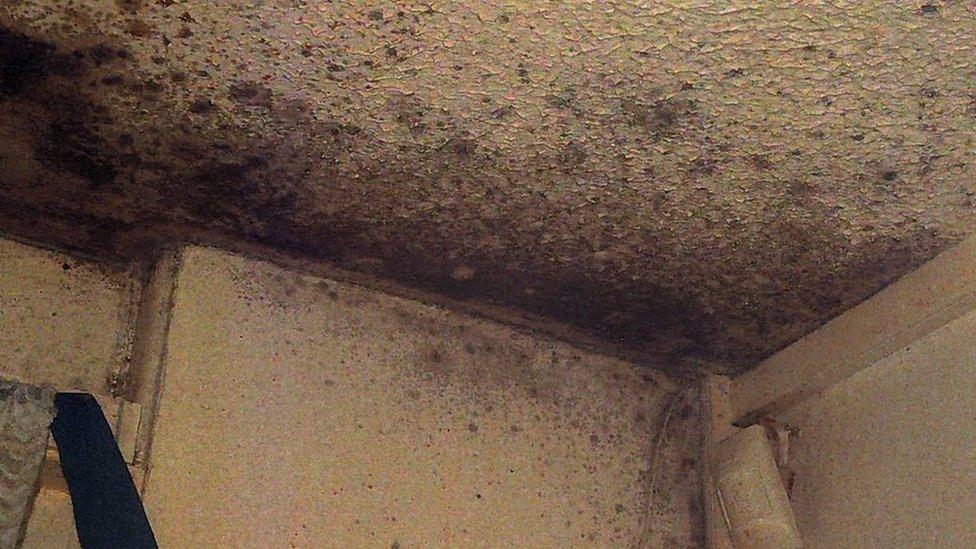
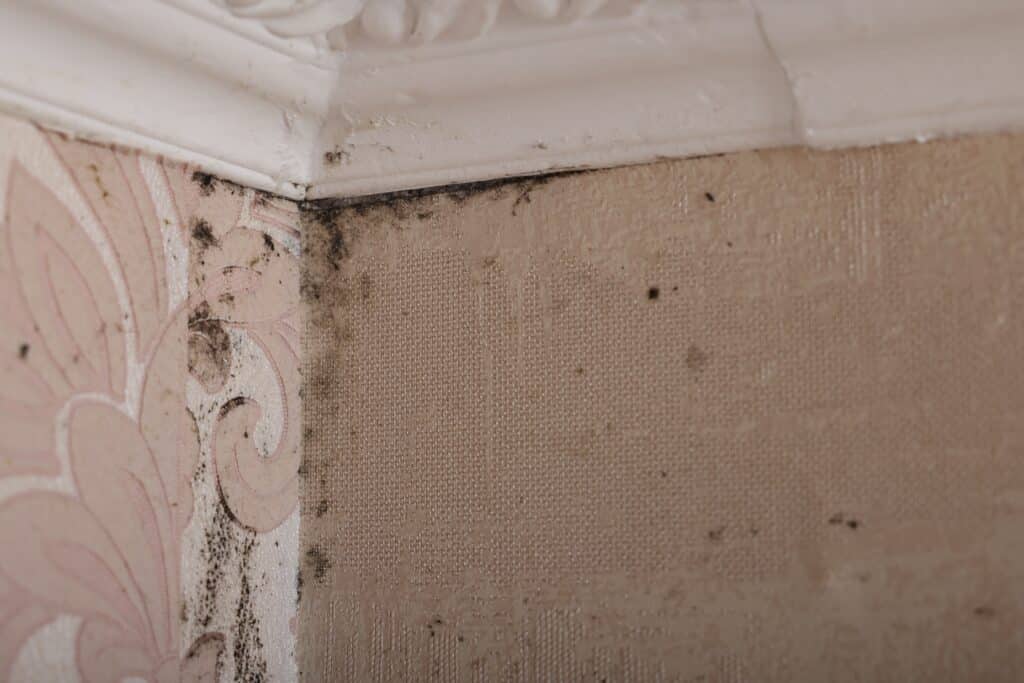
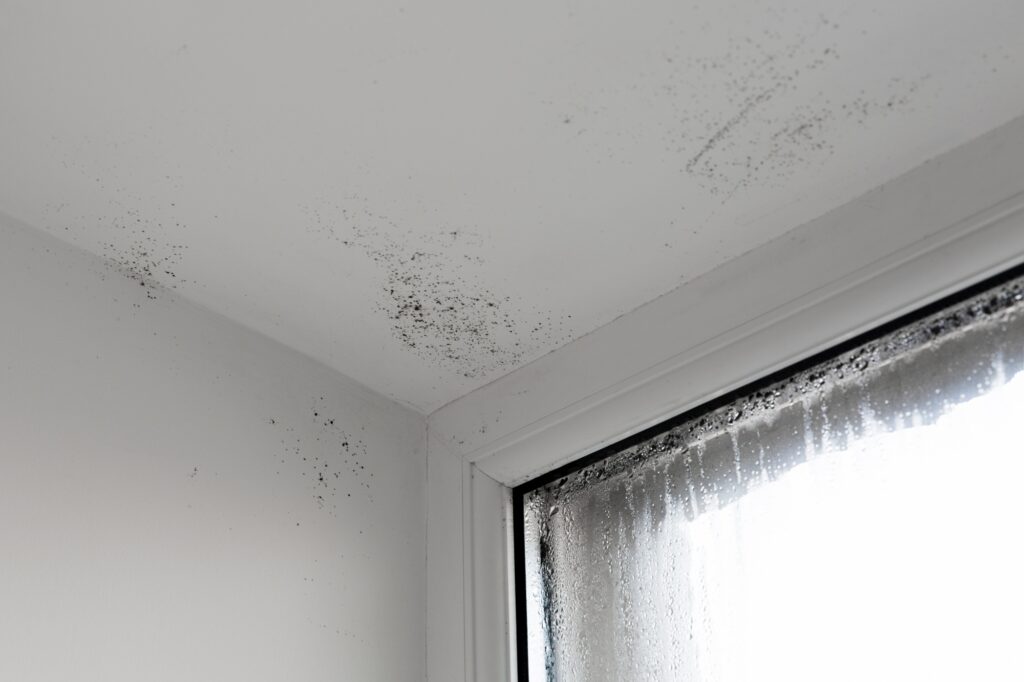
Damp and mould in housing can significantly impact health. Mould grows where there is excess moisture, often found in poorly maintained homes. Awaab’s Law targets these issues by enforcing quicker responses from landlords to address such environmental hazards. This change reduces the risk of illnesses caused by prolonged exposure to mould, which can include skin irritation and respiratory ailments.
Landlords must act promptly to fix leaks and ventilation problems, which contribute to dampness. Regular inspections and maintenance can prevent mould growth, improving tenant health. This legal push is crucial for creating safer, healthier living conditions.
Respiratory Conditions and Asthma
Respiratory conditions, particularly asthma, are closely linked to poor housing conditions. Dampness and mould release spores into the air, which can aggravate asthma symptoms and even trigger new cases. By ensuring swift action on hazards, Awaab’s Law helps reduce the prevalence of these conditions.
Living in damp, mouldy environments increases the risk of severe respiratory issues. Ensuring homes are dry and well-ventilated plays a vital role in health preservation. The law encourages the removal of allergens and irritants, aiming to protect vulnerable groups, especially children, from developing lifelong health issues.
Safety Hazards in Housing
Apart from damp and mould, various safety hazards in homes can impact health. These include structural issues, faulty lighting, and inadequate heating. Awaab’s Law includes provisions that push for the evaluation and mitigation of such dangers under the Housing Health and Safety Rating System (HHSRS).
The law ensures that landlords take responsibility for identifying and resolving these risks promptly. It emphasises the importance of regular property checks and maintenance. By addressing these potential hazards, the law aims to create safer living spaces that support the physical well-being of tenants and their families.
Legal Framework
The legal aspects around Awaab’s Law focus on improving regulations to prevent incidents of illness and death due to poor housing conditions. This involves enhancing housing standards, reinforcing the responsibilities of landlords, and empowering housing authorities.
Housing Standards and Regulations
Awaab’s Law introduces significant changes to housing standards. The Decent Homes Standard sets minimum standards for all rented homes. It aims to ensure that homes are free of health hazards, such as mould and damp. The Social Housing (Regulation) Act 2023 plays a central role in implementing these changes. This legislation requires landlords to respond to housing defects within specified time frames. By setting clear guidelines, the regulation helps protect tenants’ well-being and holds landlords accountable for maintaining safe living environments.
Housing Ombudsman and Regulator
The Housing Ombudsman offers a process for handling complaints about property conditions, while the Regulator of Social Housing enforces standards in the sector. Together, they work to ensure compliance with Awaab’s Law. The Ombudsman investigates unresolved issues, while the Regulator has the power to impose penalties for non-compliance. These bodies ensure that social landlords uphold their duties. By fostering accountability, they aim to reduce the occurrence of unsafe housing conditions. They also provide tenants with a formal avenue to seek recourse when standards are not met.
Duty of Care for Landlords
Landlords have a legal obligation to maintain safe properties. Awaab’s Law specifies duties for addressing hazards like mould promptly. Legislation mandates inspections and repairs within strict deadlines. As part of their duty, landlords must adhere to health and safety standards, preventing issues before they become severe. By ensuring properties are regularly inspected and maintained, landlords significantly contribute to safeguarding tenants’ health. The law emphasises that the responsibility for tenants’ well-being is vital, reinforcing the duty of care landlords owe to those living in their properties. This promotes a more responsive and responsible approach to property management.
Rights and Responsibilities
Awaab’s Law mandates new standards for dealing with mould and damp in rented properties. This affects both tenants and landlords, including social landlords and housing associations, by setting clear expectations and responsibilities.
Tenants’ Rights
Tenants are empowered to report issues like mould and damp without fear of eviction or retaliation. Awaab’s Law ensures that tenants receive prompt attention to their complaints. Tenants have the right to know the timelines for repairs and the processes involved. Transparency is key, so landlords must provide clear communication about how issues will be addressed. This law allows tenants to live in safe, healthy environments and demand action when standards are not met.
Landlords’ Obligations
Landlords, including social landlords and housing associations, are legally obliged to respond to damp and mould complaints swiftly. Regular inspections are mandated to identify potential hazards. Timely repairs must be conducted to remediate issues, with new legal timelines ensuring prompt action. Landlords must keep detailed records of inspections and repairs, providing evidence of compliance. Effective communication with tenants is essential, clarifying the actions to address their concerns while maintaining transparency.
The Role of Local Authorities
Local authorities play a critical role in implementing Awaab’s Law, focusing on enforcement, compliance, and tenant support. These bodies ensure housing standards are met and manage emergency repairs efficiently.
Enforcement and Compliance
Local authorities are pivotal in ensuring compliance with Awaab’s Law. They are tasked with enforcing housing standards to provide safe living conditions. Inspectors from these authorities conduct regular checks to identify issues like mould or damp that could harm tenants’ health.
By coordinating with social housing landlords, local authorities prompt necessary repairs and maintenance, ensuring timelines for emergency and routine repairs are adhered to. If landlords fail to comply, these authorities can impose penalties or take legal action, strengthening tenants’ rights to safe housing.
Supporting Tenants
Supporting tenants is another key responsibility of local authorities under Awaab’s Law. They provide information about tenants’ rights and available services, helping individuals understand how to report issues like unsanitary conditions effectively.
Local authorities may also engage in outreach programmes to educate tenants and involve them in decision-making processes. By offering inspection services and maintenance scheduling, they ensure timely responses to housing concerns. These efforts not only improve living conditions but also foster trust between tenants and housing providers.
Standards and Compliance
Awaab’s Law sets clear standards for housing quality, focusing on the prompt repair of issues like damp and mould. Landlords must address these problems quickly to ensure tenant safety. The following sections explain important aspects related to housing safety regulations.
Housing Health and Safety Rating System
The Housing Health and Safety Rating System (HHSRS) is a crucial tool used to assess the risks posed by different hazards in homes. It evaluates the likelihood and severity of harm from issues like mould, damp, and structural defects. Twenty-nine hazard categories help identify areas needing attention, ensuring homes remain safe and healthy.
HHSRS plays a vital role by establishing a standard measure for housing conditions. Inspectors use it to determine whether a property meets safety norms. If it falls short, steps must be taken to reduce the risks. The system ensures that landlords maintain properties that meet these essential criteria.
Category 1 and 2 Hazards
Under HHSRS, hazards are ranked into Category 1 and 2. Category 1 hazards are severe. They pose a high risk to health and safety, requiring prompt action by landlords. These could include problems like excessive damp, dangerous mould, or structural instability.
Category 2 hazards are less severe but still important. They might include potential slips, trips, and falls due to uneven floors or inadequate heating. Although not as urgent as Category 1, they require timely interventions to prevent deterioration. Proper maintenance can prevent them from escalating, keeping housing conditions secure for all residents.
Zero-Tolerance to Non-Compliance
Awaab’s Law enforces a zero-tolerance approach to landlords who fail to comply with safety standards. Authorities hold landlords accountable for addressing hazards within set timeframes. Failing to act on identified issues can lead to fines or stricter penalties.
To ensure adherence, landlords must conduct regular inspections and implement effective maintenance strategies. Transparent communication with tenants is crucial, providing them with a clear process to report issues. The zero-tolerance stance is a strong deterrent against neglectful practices, safeguarding tenant well-being and promoting healthier living environments.
Future of Social Housing
The future of social housing is shaped by ongoing campaigns and efforts to enhance living standards for tenants. These initiatives focus on advocating for reforms and improving the quality of life in social housing.
Campaigns and Advocacy
Housing campaigners, like Kwajo Tweneboa, are at the forefront of bringing about change in the social housing sector. They spotlight critical issues such as unsafe living conditions and the slow response of landlords to repairs.
Advocacy efforts gained momentum following tragic events, such as the Grenfell Tower fire, highlighting the importance of safe housing. Campaigners work tirelessly to ensure that the voices of social tenants are heard and that their rights are protected. Through petitions, public demonstrations, and engagement with policymakers, they push for stricter regulations and accountability for social housing providers.
Enhancing Quality of Life
Improving the quality of life for social tenants involves addressing both immediate and long-term needs. One key aspect is to ensure that housing conditions are free from hazards like damp and mould, as highlighted by Awaab’s Law.
Proactively maintaining and upgrading the housing stock can help in creating healthier living environments. Housing providers are encouraged to adopt new standards that focus on sustainability and safety.
Initiatives also aim to empower tenants by improving communication between them and landlords. This ongoing dialogue ensures that concerns are promptly addressed, fostering a sense of community and well-being within social housing estates.
Key Figures and Organisations
Awaab’s Law has gathered attention from several key figures and organisations, focusing on improving housing conditions and enforcing legal responsibilities.
Michael Gove, who served as the Secretary of State for Levelling Up, Housing and Communities, played a significant role. His leadership has been pivotal in driving legislative changes for safer living conditions, addressing issues like mould and damp. His involvement highlights government commitment to these improvements.
Housing associations are central to implementing Awaab’s Law. These organisations manage a substantial portion of social housing and are now held to stricter standards. The law compels them to ensure tenant safety and address hazardous conditions promptly.
Social landlords also face critical changes under this legislation. As managers of rented properties, they are responsible for maintaining living environments. Their role includes timely repairs and responses to tenant complaints, ensuring compliance with the law.
The Regulator of Social Housing oversees these changes, ensuring that housing providers adhere to the new legal requirements. This body enforces the rules and holds organisations accountable, striving to protect tenant welfare and ensure safe housing conditions for all social housing residents.
This interconnected framework of individuals and organisations underscores the comprehensive approach required to address housing safety and improve living conditions.
Challenges and Considerations
Awaab’s Law, aimed at improving conditions in rented housing, brings with it specific challenges related to data protection and the need for increased public awareness. These aspects require attention to ensure the law’s effective implementation.
Data Protection and Privacy
Privacy is a key concern with Awaab’s Law. Landlords must handle tenant information with care. Data protection regulations demand secure storage and processing of personal data. Mishandling could expose residents to risks.
Provisions for inspecting properties might require sharing information with third parties. Tenants must consent, and data must remain confidential. Legal action could arise if data breaches occur.
Condensation and disrepair in homes are relevant here. Monitoring issues like dampness might involve data collection, emphasising the importance of robust privacy practices. Ensuring compliance with data protection laws is crucial to upholding tenant rights.
Public Awareness and Education
Awaab’s Law also highlights the need for public awareness. Tenants should understand their rights and the legal avenues available. Education could help in recognising hazards like mould early, prompting timely reports to landlords.
Landlords require training to adapt quickly to new regulations. Creating awareness ensures both parties stay informed. Local authorities and GP surgeries could play a role in disseminating information about health risks linked to housing conditions. Better public knowledge fosters a proactive stance on identifying and rectifying housing issues.
Resources and Assistance
People living in homes marked by damp and mould may need help from various sources. This includes legal support to ensure compliance with Awaab’s Law and health services to address related health issues.
Legal Aid and Support
Legal aid is crucial for tenants facing issues with damp and mould. Tenants can seek advice and assistance from housing charities or local tenants’ associations. Legal aid services can guide tenants on their rights and the responsibilities of landlords. They can help with understanding Awaab’s Law and ensuring landlords meet the required standards.
Lawyers specialising in housing can assist in filing complaints or taking legal action if landlords fail to act. They can ensure tenants’ rights are upheld. Support groups may also offer workshops or seminars on these topics. These groups provide practical advice on how to document issues and communicate effectively with landlords.
Public Health Services
Public health services play a vital role in dealing with health risks associated with damp and mould. General Practitioners (GPs) can assess any health symptoms that may be exacerbated by poor living conditions. For instance, they can identify respiratory issues caused by mould exposure.
Public health campaigns might increase awareness about the health risks of damp environments. Community health workers could offer home visits to assess indoor air quality.
Additionally, local councils may have specialised teams to assist affected residents. Such teams can coordinate with housing providers to address health hazards. These services aim not just to treat symptoms but to help solve the underlying problem in housing conditions.
Frequently Asked Questions
Awaab’s Law introduces new rules for managing mould and damp issues in rented properties. It affects both social housing providers and private landlords by setting strict timelines for addressing these issues and ensuring tenants’ safety.
When is the commencement date for the implementation of the legislation?
The exact commencement date for Awaab’s Law has not been specified, as it depends on the legislative process’s completion and the necessary regulations being put in place. Generally, such laws come into effect after a set period post-approval. It is crucial for landlords to stay updated on these dates.
What are the key provisions outlined in the recent legislative summary?
The law mandates landlords to handle damp and mould problems within specified timeframes to protect tenants’ health. It also aims to make landlords respond swiftly to hazards and maintain safe living conditions. The legislation is part of broader efforts to enhance housing quality and tenant safety.
Has the legislative body finalised the passage of the proposed regulations?
As of now, the passage of Awaab’s Law has not been fully finalised, though it shows significant progress. It became part of the Social Housing (Regulation) Act 2023. Stakeholders should monitor any updates from the government regarding its final adoption.
What are the implications of the law on social housing providers?
Social housing providers must adhere to more stringent timelines for addressing complaints about mould and damp. Failure to comply may lead to consequences, including penalties or legal repercussions. The law empowers tenants to report issues more effectively and demands that providers prioritise health and safety.
How will the law affect the obligations of private landlords?
Private landlords will have to follow legal timeframes to fix damp and mould issues in their properties. This increases their responsibility to ensure that rental units meet the required health and safety standards. Landlords may need to update maintenance procedures to comply with the new law.
What are the defined timeframes for compliance stipulated in the law?
Awaab’s Law sets clear deadlines for addressing multiple housing issues. Emergency hazards, such as severe mould problems, might need to be resolved within 24 hours. Other damp-related concerns could require resolution in a longer timeframe, potentially a few weeks, to ensure tenant safety.