Damp problems in homes are extremely common in the UK, particularly in older properties and coastal areas. Two of the most frequently confused types of damp are condensation and rising damp. While they may look similar at first, the causes and treatments are completely different.
If you have noticed damp patches, peeling paint, mould or musty smells in your home, it is important to understand whether the problem is caused by condensation or rising damp before attempting any treatment.
This guide explains the key differences and how to identify which type of damp you may be dealing with.
What is Condensation?
Condensation occurs when warm, moist air comes into contact with a colder surface, such as a wall or window. When the air cools, the moisture turns into water droplets that collect on surfaces.
This is particularly common in rooms where moisture levels are high, such as:
- Bathrooms
- Kitchens
- Bedrooms
- Poorly ventilated living spaces
Everyday activities such as cooking, showering, and drying clothes indoors can significantly increase humidity levels, leading to condensation on cold surfaces.
Common Signs of Condensation
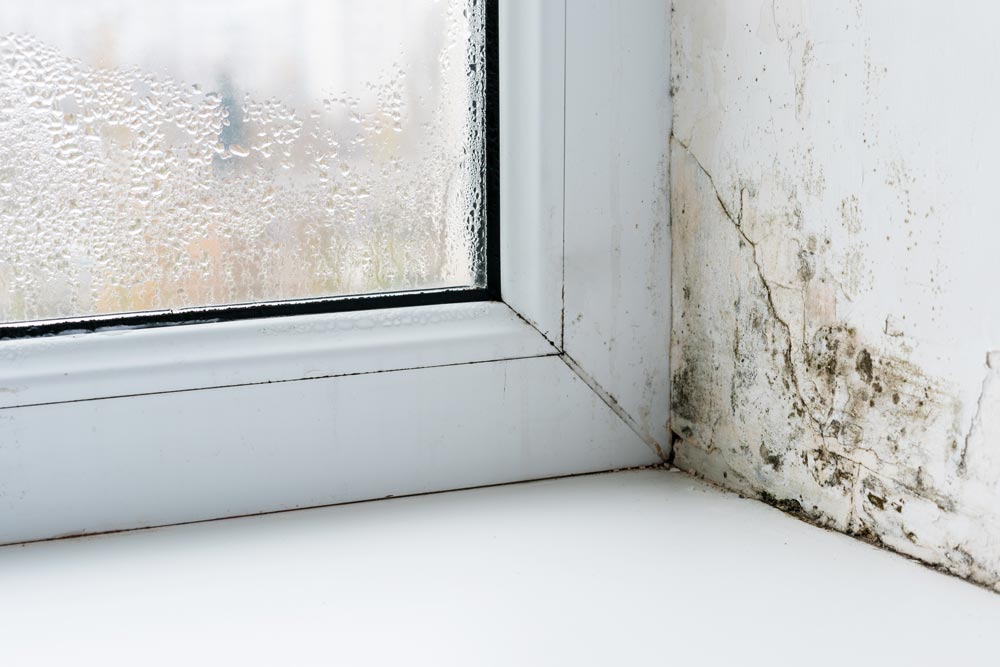
- Water droplets on windows
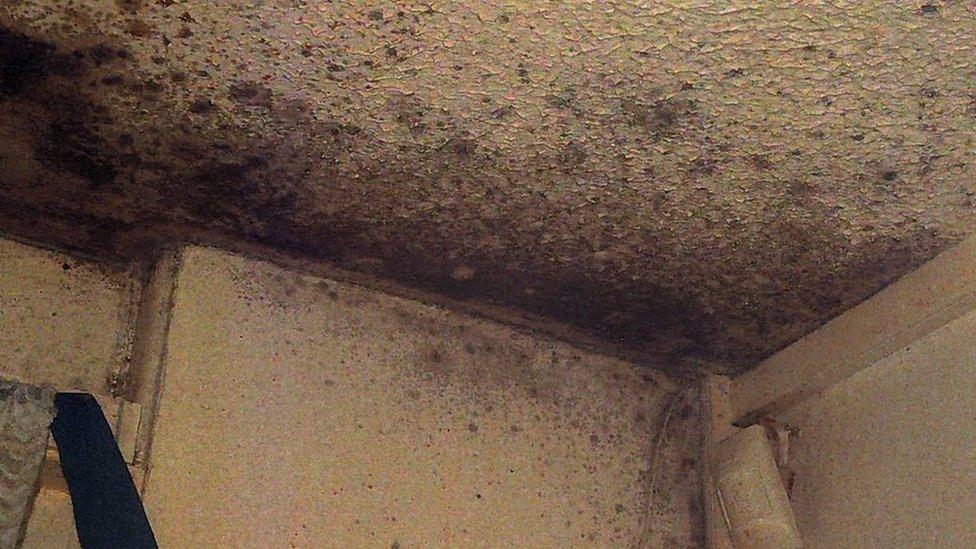
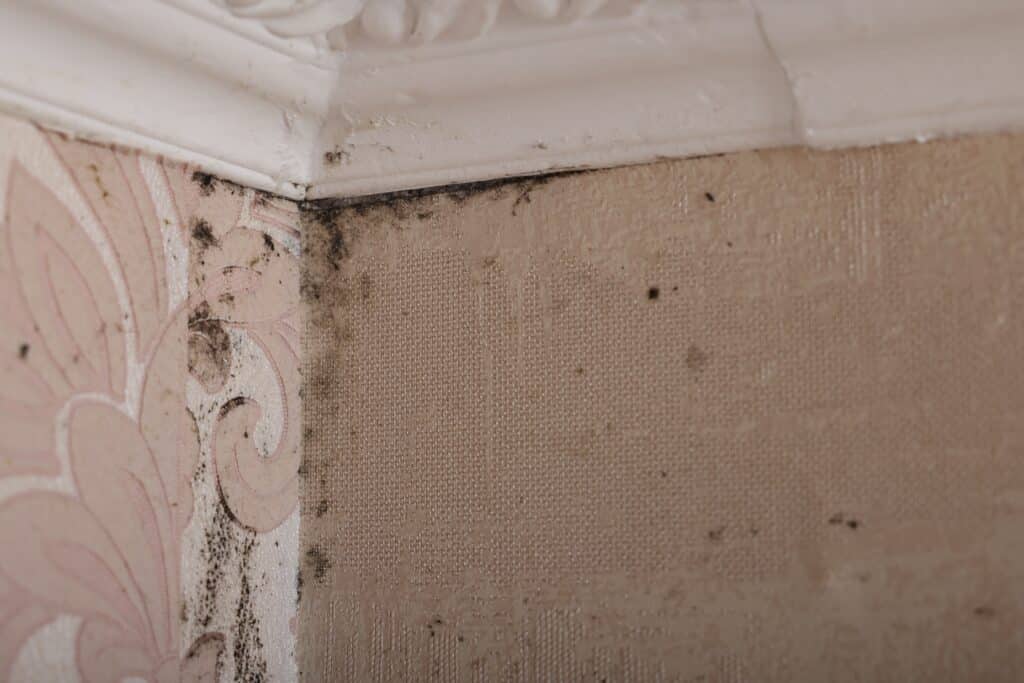
- Black mould on walls or ceilings
- Damp patches appearing in the corners of rooms
- Mould around window frames
- Musty smells
Condensation typically appears on cold surfaces and is often worse during colder months.
Many of these issues require professional help from a Blackpool damp proofing specialist.
What is Rising Damp?
Rising damp occurs when moisture from the ground travels upwards through walls by capillary action. This happens when the damp proof course (DPC) is damaged, missing or ineffective.
Unlike condensation, rising damp originates at ground level and rises through brickwork and plaster.
Rising damp is most commonly found in older properties where the original damp proof course has deteriorated or where one was never installed.
Common Signs of Rising Damp
- Damp patches on the lower sections of the walls
- Tide marks on walls up to around one metre high
- Peeling paint or wallpaper
- Crumbling plaster
- White powder deposits (salts) on walls
- Rotting skirting boards
These signs usually appear at the bottom of walls and gradually spread upwards.
Condensation vs Rising Damp – Key Differences
| Feature | Condensation | Rising Damp |
|---|---|---|
| Cause | Moist air meeting cold surfaces | Moisture is travelling up from the ground |
| Location | Windows, ceilings, and corners of rooms | Lower sections of the walls |
| Typical Height | Anywhere on walls or ceilings | Usually up to 1 metre high |
| Mould Growth | Common | Less common |
| White Salts on Walls | No | Often present |
How to Tell if a Damp Patch is Condensation or Rising Damp
If you are unsure whether a damp patch is caused by condensation or rising damp, there are a few clues that can help identify the problem.
It is likely to be condensation if:
- The damp appears on windows or cold surfaces
- Black mould is present
- The issue worsens in winter
- The room has poor ventilation
It is more likely to be rising damp if:
- The damp patch starts at the bottom of the wall
- Tide marks appear on the plaster
- Skirting boards are rotting
- White salts appear on the walls
Because damp problems can sometimes have multiple causes, it is always recommended to have the property inspected by a professional damp specialist.
Treating Condensation
Condensation can often be reduced by improving ventilation and lowering indoor humidity.
Common solutions include:
- Improving ventilation
- Using extractor fans in kitchens and bathrooms
- Opening windows regularly
- Using dehumidifiers
- Avoiding drying clothes indoors
In some cases, improving insulation and heating can also help reduce condensation problems.
Treating Rising Damp
Rising damp usually requires professional treatment to install or repair a damp-proof course.
Common treatments include:
- Installing a chemical damp-proof course
- Removing contaminated plaster
- Applying specialist damp-resistant plaster
- Repairing external ground levels or drainage
Once treated properly, rising damp can be effectively controlled and prevented from returning.
Professional Damp Surveys
If you are unsure whether your property is suffering from condensation or rising damp, a professional damp survey can identify the exact cause and recommend the appropriate treatment.
Early diagnosis can prevent further damage to walls, plaster and timber and help protect the long-term condition of your property.
If you suspect a damp problem in your home, contacting a qualified damp specialist is always the safest option.