Rising damp is one of the most common damp problems found in older properties across the UK. It occurs when moisture from the ground travels up through brickwork and masonry by capillary action.
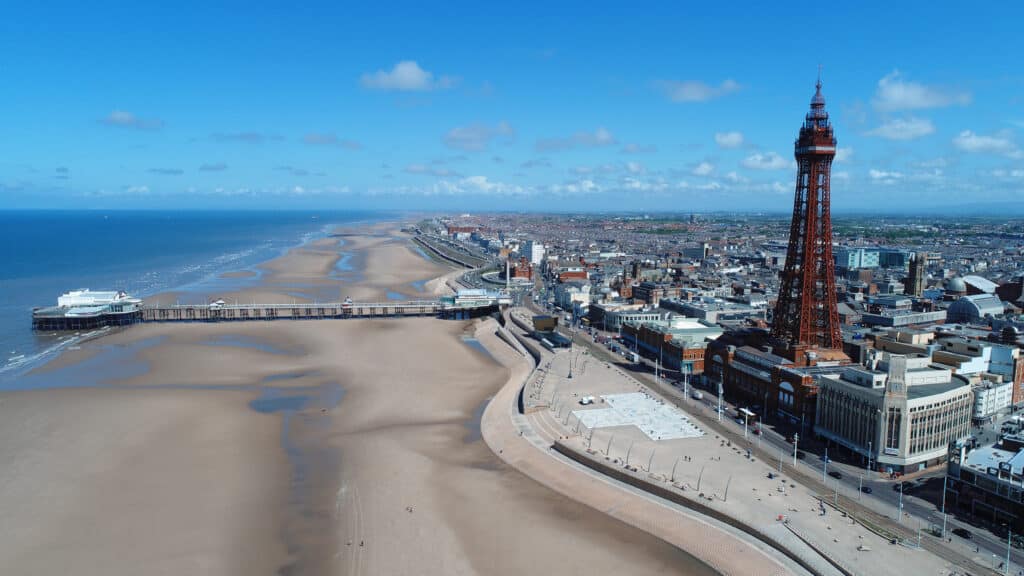
Because many homes across Blackpool and the Fylde Coast were built before modern damp proof courses were standard, rising damp can sometimes develop in older walls.
If you suspect damp in your home, recognising the early warning signs can help you act quickly before the problem worsens.
1. Tide Marks on Internal Walls
One of the clearest signs of rising damp is a horizontal stain or tide mark on internal walls. These marks are usually visible up to around one metre above floor level.
The marks are caused by moisture evaporating from the wall and leaving behind salts and mineral deposits.
2. Damp or Crumbling Skirting Boards
Timber skirting boards are often the first part of a wall affected by rising damp. Because they sit close to the floor, they absorb moisture from damp walls.
You may notice skirting boards becoming soft, swollen, cracked or rotten.
3. Peeling Paint or Wallpaper
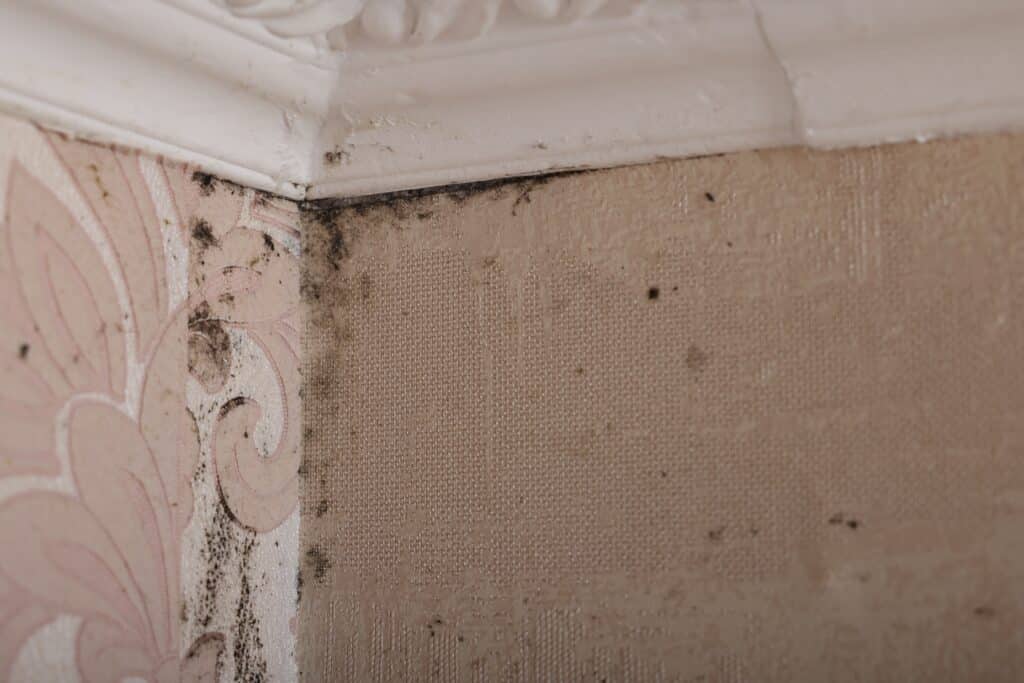
Excess moisture inside walls can cause paint to bubble and wallpaper to peel away from the surface.
This often appears along the lower sections of internal walls where moisture is rising from the ground.
4. White Powdery Deposits on Walls
Rising damp can leave behind white salts on brickwork or plaster. These deposits are known as efflorescence.
The salts are carried up from the ground by moisture and remain on the wall as the water evaporates.
5. Damp Patches Near the Floor
Damp patches that appear near the base of walls and gradually rise upwards can indicate rising damp.
These patches may feel cold and damp to the touch, especially during colder months.
6. Musty Damp Smell
A persistent musty smell in rooms with no obvious leaks can sometimes be a sign of damp within the walls.
This smell is caused by moisture trapped in building materials and can often accompany other visible symptoms.
7. Damaged Plaster at Low Level
Plaster affected by rising damp can become soft, powdery or crumble when touched. In some cases it may start to flake away from the wall.
This usually occurs where moisture has repeatedly travelled up through the wall over time.
Could It Be Condensation Instead?
Many homeowners assume they have rising damp when the real problem is condensation.
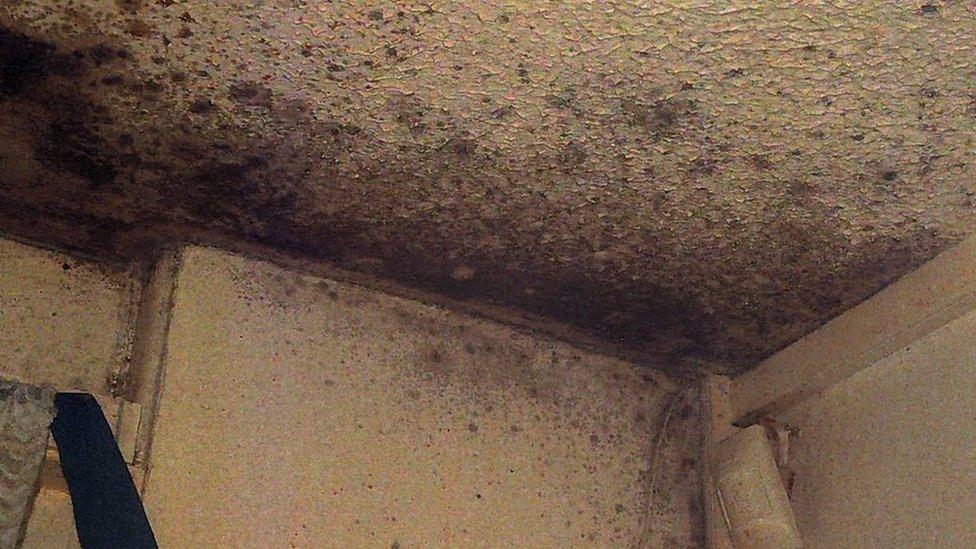
Condensation usually appears higher on walls, around windows or in corners of rooms, whereas rising damp generally affects the lower sections of walls.
If you are unsure, a professional damp inspection can identify the exact cause.
Professional Rising Damp Surveys in Blackpool
If you have noticed any of these warning signs in your home, it is important to have the issue properly diagnosed.
Fylde Damp Proofing provides professional damp surveys in Blackpool to identify the cause of damp problems and recommend the correct treatment.
Where rising damp is confirmed, our specialists can advise on the most effective rising damp treatment in Blackpool for your property.
Get Expert Advice
If you are worried about damp in your property, early diagnosis can prevent more serious structural damage and costly repairs.
Contact Fylde Damp Proofing to arrange a professional damp inspection and get clear advice on the best solution for your home.